Introduction
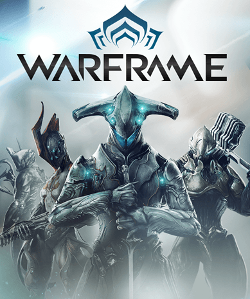
Released on March 25, 2013, Warframe is a free-to-play action RPG and third-person shooter developed and published by Digital Extremes. What began as a relatively modest online shooter has evolved into one of the most content-rich live-service games available today. Over the years, Warframe has expanded through countless updates, introducing new storylines, open-world zones, playable classes, weapons, and gameplay systems that have transformed it into a massive science-fiction universe.
Set in a distant future where players take control of powerful biomechanical warriors known as Tenno, Warframe combines fast-paced combat, deep customization, cooperative multiplayer, and an evolving narrative. Unlike many live-service games that struggle to maintain momentum over time, Warframe continues to grow more ambitious with each major expansion.
When I first played Warframe years ago, it felt like an enjoyable but somewhat repetitive looter shooter. Revisiting it today, the difference is remarkable. The game now offers enough content to rival many premium AAA titles while remaining completely free to start.
Gameplay
Becoming a Tenno
At its core, Warframe is built around movement and combat. Players control Warframes, advanced suits that function similarly to character classes. Each Warframe possesses unique abilities, strengths, and playstyles.
Some Warframes excel at stealth, while others specialize in crowd control, support, survivability, or raw damage output. This diversity ensures that switching between Warframes can dramatically change how the game feels.
The sheer variety is one of the game's greatest strengths. With dozens of Warframes available, experimentation becomes a major part of the experience.
Fast-Paced Combat
Combat remains one of Warframe's strongest features.
Unlike many shooters that emphasize cover-based gameplay, Warframe encourages constant movement. Players sprint, slide, bullet jump, wall-run, and perform acrobatic maneuvers while fighting enemies.
Even after hundreds of missions, movement never loses its appeal.
One of my favorite aspects of Warframe is how fluid everything feels. Traversing an entire level without touching the ground for several seconds creates a sense of momentum that few games can replicate.
Loot and Progression
The progression system revolves around collecting resources, crafting equipment, leveling gear, and improving builds.
Virtually every activity rewards players with something useful. New weapons, crafting materials, mods, blueprints, companions, and cosmetics constantly contribute to long-term progression.
For players who enjoy grinding toward meaningful goals, Warframe provides almost endless opportunities.
Cooperative Gameplay
Most missions support cooperative play with up to four players.
The game shines brightest when tackling difficult objectives alongside teammates. Different Warframes can complement one another through support abilities, crowd control effects, and damage buffs.
Although solo play is entirely viable, cooperative sessions often create the most enjoyable moments.
Controls
Movement System
Warframe arguably possesses one of the best movement systems in gaming.
The combination of sliding, jumping, dashing, wall-running, and aerial mobility creates exceptional freedom.
Movement becomes almost a game within the game.
Mastering advanced traversal techniques significantly improves both combat effectiveness and mission completion speed.
Combat Controls
Weapons feel responsive and satisfying across a wide variety of categories.
Players can switch seamlessly between melee combat, firearms, and Warframe abilities. This flexibility encourages creative approaches to encounters.
Learning Curve
The biggest challenge is not the controls themselves but the sheer number of mechanics.
New players often feel overwhelmed by crafting systems, modding, factions, resources, and progression paths.
While the game has improved its onboarding process over the years, it still demands patience during the early hours.
Graphics and Sound
Visual Presentation
Considering its age, Warframe remains surprisingly impressive.
Digital Extremes has continuously updated graphical systems, textures, lighting, and environmental detail. Modern areas often rival newer releases in terms of visual quality.
The game's artistic direction is particularly noteworthy. Rather than pursuing generic science-fiction aesthetics, Warframe embraces a unique blend of biotechnology, ancient civilizations, and futuristic design.
Environmental Variety
One moment you're fighting aboard a Grineer battleship. The next you're exploring alien landscapes, underwater laboratories, or vast open-world environments.
This variety helps prevent visual fatigue even after hundreds of hours.
Character Design
Warframe's character designs remain among the most distinctive in gaming.
Every Warframe has a unique silhouette and personality, helping each feel memorable.
Some players spend almost as much time customizing appearances as they do completing missions.
Sound Design
Weapons deliver satisfying audio feedback, while environmental sounds enhance immersion throughout missions.
The soundtrack deserves special recognition. Several major story quests feature music that elevates emotional moments and contributes significantly to the game's atmosphere.
Game Modes
Traditional Missions
The game includes a wide range of mission types:
- Extermination
- Defense
- Survival
- Rescue
- Sabotage
- Spy missions
- Interception
- Excavation
Each mode introduces different objectives while maintaining the core combat loop.
Open Worlds
Expansions introduced large open-world regions such as Plains of Eidolon, Orb Vallis, and Cambion Drift.
These zones offer fishing, mining, hunting, bounty missions, and exploration activities beyond traditional missions.
Story Campaigns
Warframe's narrative has become one of its most surprising strengths.
Major quests such as The Second Dream, The War Within, The Sacrifice, and The New War dramatically expanded the game's storytelling ambitions.
Without revealing spoilers, several of these quests rank among the best narrative experiences available in a free-to-play title.
Endgame Activities
Veteran players can pursue:
- Steel Path missions
- Archon Hunts
- Eidolon Hunts
- High-level farming
- Build optimization
- Rare item collection
The amount of long-term content is enormous.
What Makes Warframe Different?
A Truly Fair Free-to-Play Model
Many free-to-play games aggressively push players toward spending money.
Warframe takes a different approach.
Almost every gameplay-affecting item can be earned through regular play. Premium currency can even be obtained through player trading.
This creates a level of fairness rarely seen within the free-to-play market.
Freedom of Playstyle
Warframe rarely forces players into a specific approach.
Players can focus on story content, farming resources, collecting cosmetics, trading, open-world exploration, or optimizing builds.
The freedom to pursue personal goals significantly enhances longevity.
Constant Evolution
Unlike games that stagnate after release, Warframe continuously reinvents itself.
Major updates regularly introduce new mechanics, systems, and narrative developments.
The result is a game that feels remarkably fresh despite being over a decade old.
Strengths
Exceptional Movement
Warframe's mobility remains among the best in the industry.
Massive Amount of Content
Few games offer comparable value in terms of playable content.
Fair Monetization
The free-to-play model remains one of the most consumer-friendly available.
Deep Customization
Build crafting allows extensive experimentation and personalization.
Strong Story Expansions
Recent narrative content significantly elevates the overall experience.
Regular Updates
Digital Extremes continues supporting the game with meaningful additions.
Weaknesses
Overwhelming Complexity
New players may struggle to understand the game's many interconnected systems.
Grind Can Be Significant
Certain resources and items require extensive farming.
Inconsistent Early Experience
The strongest content often appears dozens of hours into the game.
Information Overload
Many mechanics are poorly explained without external guides.
Menu Complexity
The user interface occasionally feels cluttered due to years of accumulated systems.
Who Should Play Warframe?
Warframe is ideal for:
- Fans of looter shooters
- Action RPG players
- Science-fiction enthusiasts
- Cooperative multiplayer fans
- Players who enjoy deep progression systems
- Gamers seeking long-term goals
However, players who dislike grinding or prefer short, self-contained experiences may find the game overwhelming.
Personal Experience
What continues to impress me most about Warframe is how much it respects player freedom.
Many live-service games attempt to dictate how players should spend their time. Warframe instead provides a huge collection of systems and lets players decide what interests them.
There were sessions where I focused entirely on story quests. Other days I spent hours farming resources, experimenting with builds, or helping newer players complete difficult missions.
The game occasionally becomes overwhelming due to its complexity, but that same complexity is also responsible for its incredible longevity.
Very few free-to-play games maintain player interest for hundreds of hours. Warframe does so with surprising consistency.
Final Verdict
Warframe stands as one of the most impressive success stories in modern gaming. What began as a niche online shooter has evolved into a massive science-fiction adventure filled with content, customization, and memorable moments.
Its steep learning curve and occasional grind prevent it from being universally accessible, but players willing to invest time will discover one of the richest free-to-play experiences ever created.
More than a decade after launch, Warframe remains a benchmark for how live-service games should evolve.
Score: 9.2/10
Warframe combines exceptional movement, rewarding progression, and years of meaningful content into a package that continues to outperform many newer competitors.