PUBG Mobile
Popular Now









Introduction
If you’ve never played PUBG Mobile before, the game can look deceptively simple. One hundred players parachute onto an island, search for weapons, and fight until only one remains. That’s the elevator pitch, but it barely explains why PUBG Mobile has stayed relevant for years while countless other mobile shooters have faded away.
The biggest misconception is that PUBG Mobile is all about aiming. Good aim certainly helps, but after hundreds of hours across Erangel, Livik, Miramar, and Sanhok, one lesson becomes impossible to ignore: matches are usually won long before the final firefight begins. Choosing where to land, deciding when to rotate, knowing when to avoid a fight, and reading the shrinking safe zone often matter more than landing the perfect headshot.
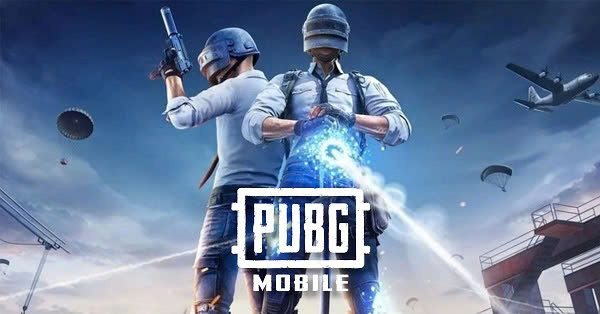
That’s also why some players feel overwhelmed after their first few matches. They expect a fast-paced shooter, but PUBG Mobile rewards patience, awareness, and decision-making just as much as mechanical skill.
This guide explains what PUBG Mobile really is, how a typical match works, and why it continues to attract millions of players worldwide. If you’re trying to decide whether this game is worth your time, you’re in the right place.
What Is PUBG Mobile?
PUBG Mobile is a free-to-play battle royale game where up to 100 players compete to become the last person or last squad standing. Unlike traditional shooters that focus on constant action, every match combines survival, exploration, resource management, and tactical decision-making.
That distinction is what surprises most newcomers.
Many first-time players imagine they’ll spend twenty minutes shooting nonstop. Instead, a typical match includes several very different phases. You begin by choosing where to land. Then comes looting, where every weapon, attachment, helmet, backpack, and healing item has to be found on the map. Only after you’ve prepared yourself do the real engagements begin.
The shrinking Blue Zone constantly forces players closer together, which means every decision has consequences. Stay too long searching for better gear and you risk getting trapped outside the safe zone. Rush toward every gunfight and another squad may eliminate you before you’ve had a chance to recover.
That balance between action and strategy is what separates PUBG Mobile from many other mobile shooters.
What Makes PUBG Mobile a Battle Royale?
If you’re unfamiliar with the genre, battle royale follows a straightforward concept.
| Feature | PUBG Mobile |
|---|---|
| Players per match | Up to 100 |
| Objective | Be the last survivor or last surviving team |
| Starting equipment | None |
| Weapons and gear | Found during the match |
| Safe zone | Shrinks continuously |
| Winner | Last player or squad alive |
Table 1. Core Battle Royale Features in PUBG Mobile
Note: Different maps and game modes may have slightly different pacing, but the overall gameplay loop remains the same.
Unlike arena shooters where everyone starts with identical weapons, PUBG Mobile asks players to adapt to whatever they find. Some matches begin with an assault rifle and Level 3 armor within the first building. Others start with nothing more than a pistol and a frying pan. Learning to make smart decisions regardless of your loot is part of the game’s appeal.
Another reason the experience stays fresh is that no two matches unfold exactly the same way. The flight path changes, the safe zone appears in different locations, loot varies from match to match, and every lobby contains players making unpredictable decisions.
That’s why even experienced players rarely feel they’re repeating the exact same game.
What Makes PUBG Mobile Different From Other Mobile Shooters?
PUBG Mobile isn’t trying to give you constant action. Instead, it builds tension through uncertainty, rewarding players who make better decisions rather than simply reacting faster.
This is usually the biggest adjustment for players coming from faster-paced shooters.
Games like Call of Duty Mobile’s Multiplayer mode encourage aggressive play because you’ll respawn within seconds after dying. PUBG Mobile doesn’t offer that luxury. One mistake often means waiting until the next match.
That changes the entire mindset.
Taking unnecessary fights suddenly feels expensive. Running across an open field without checking your surroundings becomes a genuine risk instead of a minor inconvenience. Even deciding whether to fire at a distant enemy involves weighing the possibility of revealing your own position.
Many experienced players actually avoid fights they know they can win if the timing isn’t right. That sounds counterintuitive at first, but surviving to the final circles usually provides more opportunities than chasing every gunshot on the map.
The Four Skills That Matter Most
New players often assume aiming is everything. In reality, aiming is only one part of becoming consistently successful.
| Skill | Why It Matters |
|---|---|
| Positioning | Staying in cover often matters more than shooting first. |
| Decision-making | Choosing when to fight is just as important as knowing how. |
| Map awareness | Reading the safe zone and predicting enemy movement keeps you alive longer. |
| Gunplay | Recoil control, tracking, and accuracy finish fights efficiently. |
Table 2. The Skills That Have the Biggest Impact on Long-Term Improvement
Notice that raw shooting mechanics occupy only one row.
One memorable example comes from Erangel. Two squads were fighting near School while another team quietly rotated around the hill toward the next safe zone. The first two teams traded kills until both were weakened, only to be eliminated by the squad that avoided the entire fight and arrived with full health and resources. Nothing about that victory came from incredible aim—it came from patience and timing.
That’s a pattern you’ll notice repeatedly as you spend more time with the game.
Every Match Tells a Different Story
One reason PUBG Mobile remains enjoyable after hundreds of matches is that it constantly creates unexpected situations.
You might spend twenty minutes carefully rotating across Miramar only to have the final circle close inside an empty warehouse. Another match could force your squad to cross a river with almost no cover while another team controls the bridge. Sometimes you’ll survive because you planned well. Other times you’ll survive simply because another squad made a bigger mistake than you did.
Those unpredictable moments create stories players still talk about long after the match ends.
That’s difficult to achieve in shooters built around fixed maps and identical objectives every round.
Why Beginners Often Misunderstand the Game
Most newcomers focus almost entirely on weapons.
Which rifle deals the most damage?
Which sniper is the strongest?
Which SMG should I pick?
Those questions matter, but they’re rarely the reason someone loses their first twenty matches.
Far more often, beginners lose because they landed in an overcrowded area, rotated too late, ignored footsteps, or stayed exposed after winning a fight. Once those habits improve, weapon choice becomes much easier to appreciate.
This article focuses on helping you understand what PUBG Mobile actually is and why it plays differently from other shooters. If you’re ready to move beyond the basics and prepare for your first real matches, take a look at our PUBG Mobile Beginner Guide. It explains the fundamentals that every new player should learn before worrying about advanced mechanics or high-level strategies.
How Does a PUBG Mobile Match Actually Work?
Every PUBG Mobile match follows the same overall structure, but the decisions you make inside that structure determine whether you leave in the first five minutes or survive until the final circle.
At first glance, the flow seems simple: jump, loot, fight, survive.
In reality, every phase has its own priorities, and experienced players shift their mindset several times during a single match.
Step 1: Choosing Your Landing Spot
Your match begins before your feet even touch the ground.
As the airplane crosses the map, everyone faces the same question: should you chase high-quality loot or prioritize a safer start?
Many beginners instinctively jump toward famous locations because they assume better loot means a better chance to win. That’s only half the story.
Landing at hotspots like Pochinki, School, or Military Base often means fighting three or four squads before you’ve even found a helmet. Surviving those fights certainly feels rewarding, but it also depends heavily on luck. Sometimes you open the first building and find an M416. Sometimes your only weapon is a shotgun while someone next door already has an assault rifle.
A quieter landing gives you something equally valuable: time.
Time to gather supplies.
Time to understand the safe zone.
Time to enter your first fight on your own terms.
Players who consistently reach the final circles usually aren’t the ones chasing every hot drop. They’re the ones making smart decisions before the first bullet is fired.
If you’re still learning the maps, take a look at our Best Landing Spots in PUBG Mobile guide. It compares high-risk and low-risk drop locations so you can choose landing zones that match your experience level instead of following everyone else out of the plane.
Step 2: Looting Efficiently
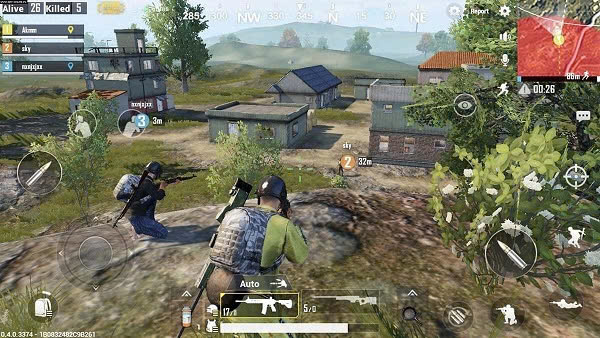
Looting isn’t about collecting everything you see. It’s about collecting exactly what you’ll need for the next fight.
One habit almost every new player develops is spending too much time inside buildings.
Five minutes pass.
Then seven.
Then the Blue Zone starts moving.
Meanwhile another squad has already rotated into the next safe area and is waiting.
Experienced players loot with a purpose.
Their priorities usually look something like this:
- Find a reliable primary weapon.
- Pick up armor and a backpack.
- Grab healing items.
- Collect enough ammunition.
- Upgrade attachments only if it’s safe.
Notice what’s missing.
Nobody spends thirty seconds deciding between two grips while standing next to an open window.
Efficiency wins matches.
Another common mistake is carrying unnecessary items.
Too much ammo.
Every attachment regardless of compatibility.
Three different weapon types “just in case.”
The inventory system rewards players who understand what they actually need instead of hoarding everything they find.
If you want to improve this part of your game, our Best Loot Routes in PUBG Mobile guide explains how experienced players clear compounds quickly while avoiding unnecessary backtracking.
Step 3: Rotating Into the Safe Zone
Once the first safe zone appears, the match changes completely.
From this point onward, positioning becomes increasingly important.
A surprising number of players die without losing a gunfight. They’re simply caught running across open fields because they ignored the shrinking circle for too long.
Good rotations usually follow a few principles.
- Move before everyone else.
- Use terrain instead of roads whenever possible.
- Avoid crossing wide open areas unless absolutely necessary.
- Think about where enemies are likely to come from.
One lesson that sticks with most players happens the first time they reach the final circles.
Cover becomes more valuable than loot.
By then, everyone already has strong equipment. The squad hiding behind rocks and ridgelines often defeats the squad carrying Level 3 gear simply because they control better positions.
That’s one of the biggest mindset shifts PUBG Mobile teaches over time.
Step 4: Fighting Only When It Makes Sense
Winning a fight doesn’t always improve your chances of winning the match.
That sounds strange until you’ve played enough games.
Imagine spotting an enemy 250 meters away.
Can you shoot?
Probably.
Should you?
Not always.
Firing reveals your position to everyone nearby.
You might eliminate one player only to attract two more squads that heard the gunfire.
Experienced players constantly evaluate risk versus reward.
Sometimes the smartest play is to let another team pass without firing a single shot.
Other times, waiting just ten extra seconds allows two enemy squads to weaken each other before you engage.
Those aren’t flashy plays, but they’re incredibly effective.
This is also why new players often believe they’re losing because of poor aim, when the real issue is choosing bad fights.
Step 5: Surviving the Final Circle
The last few minutes of every match feel completely different from the opening stages.
Almost every remaining player has decent equipment.
The safe zone becomes tiny.
Every footstep matters.
Every grenade matters.
Every movement could reveal your position.
Many final circles are decided by patience rather than aggression.
One player crawls through the grass.
Another quietly rotates behind a ridge.
Someone throws a smoke grenade at exactly the right moment.
Small decisions suddenly have enormous consequences.
Veteran players rarely panic during this phase because they’ve learned something beginners haven’t yet.
The player with the best gear doesn’t always win.
The player who stays calm usually has a better chance.
Why Every Match Feels Different
Even though the rules never change, PUBG Mobile rarely feels repetitive.
The airplane flies across different routes.
The safe zone closes in unpredictable locations.
Loot spawns vary.
Enemy decisions constantly change.
One evening you may survive until the final two players without firing many shots.
The next game could throw you into three fights before the first safe zone even appears.
That’s one of the reasons PUBG Mobile has maintained its player base for so many years. It doesn’t rely on scripted encounters. It creates stories naturally through player decisions.
Once you understand how matches actually flow, the next challenge isn’t learning the rules anymore—it’s learning how to make better decisions inside those rules.
That’s where movement starts becoming one of the biggest skill gaps in the game. If you’d like to survive longer instead of becoming an easy target in open areas, have a look at our PUBG Mobile Movement Guide. It covers peeking, positioning, rotation techniques, and the movement habits that separate experienced players from beginners.
Why PUBG Mobile Is Harder Than It Looks
PUBG Mobile looks simple because everyone follows the same rules. What makes it difficult is that every decision carries consequences, and those consequences often don’t become obvious until several minutes later.
A lot of new players assume they’re losing because their aim isn’t good enough. After watching hundreds of beginners improve—and making plenty of mistakes over the years—it’s usually something else.
The player who shoots first doesn’t always win.
The player with the best loot doesn’t always survive.
The squad with the most kills often doesn’t earn the Chicken Dinner.
That’s because PUBG Mobile rewards decision-making just as much as mechanical skill.
The Four Skills Every Good Player Eventually Learns
Most experienced players improve in roughly the same order. Their aim gets better over time, but before that happens, they quietly build four skills that affect every single match.
| Skill | Why It Matters | Beginner Mistake |
|---|---|---|
| Positioning | Controls when fights happen | Standing in open fields |
| Information | Helps predict enemy movements | Running without checking surroundings |
| Resource Management | Keeps you prepared for late game | Carrying random loot |
| Decision Making | Determines whether to fight, rotate, or wait | Treating every enemy as a must-kill |
Table 3. Core skills that separate experienced PUBG Mobile players from beginners.
Notice something interesting.
Raw shooting accuracy isn’t even listed first.
That’s because positioning often creates easier shots. A player firing from high ground behind solid cover doesn’t need professional-level aim to defeat someone sprinting across an open field.
PUBG Mobile Rewards Information More Than Reflexes
The player who knows more usually wins before bullets even start flying.
This is probably the biggest difference between PUBG Mobile and many traditional shooters.
Imagine hearing footsteps inside a two-story building.
You don’t know exactly where the enemy is.
But you already know:
- Someone is inside.
- They’re probably looting.
- They may have heard you too.
- They’ll likely expect you to push through the main entrance.
That information immediately creates several options.
You could wait.
You could rotate around the building.
You could throw a grenade.
You could leave entirely if fighting isn’t worth the risk.
Good players aren’t constantly reacting.
They’re constantly collecting information before making decisions.
That’s why headphones become one of the most valuable “pieces of equipment” you own outside the game itself.
Footsteps.
Vehicle engines.
Reload sounds.
Glass breaking.
Each one tells a story if you know how to interpret it.
If you want to understand how experienced players use audio to locate enemies before making visual contact, have a look at our PUBG Mobile Sound Guide. Once you start recognizing different sound cues, you’ll be surprised how much earlier you can predict incoming fights.
Survival Isn’t Passive Play
One misconception follows almost every beginner.
“If I avoid fights, I’ll eventually win.”
Not exactly.
There’s a big difference between avoiding unnecessary fights and avoiding every fight.
Eventually you’ll need to eliminate someone.
The goal isn’t to hide for twenty minutes.
The goal is to fight when the odds favor you.
That’s why experienced players often skip one engagement only to commit aggressively thirty seconds later.
From the outside, it looks inconsistent.
In reality, they’re choosing battles rather than reacting emotionally.
Every Weapon Changes How You Should Play
Many beginners think stronger weapons automatically create stronger players.
The relationship actually works the other way around.
Good players choose weapons that fit the situation they’re likely to face.
Consider these examples.
| Situation | Better Choice | Why |
|---|---|---|
| Early-game building fights | SMG | Fast handling and excellent hip-fire |
| Medium-range combat | Assault Rifle | Flexible in almost every engagement |
| Long-range positioning | DMR or Sniper | Punishes exposed enemies |
| Final circles | Assault Rifle + SMG | Reliable in close rotations |
Table 4. Choosing weapons based on the situation rather than rarity.
One weapon illustrates this perfectly.
The M416 isn’t famous because it has the highest damage.
It’s famous because it performs well almost everywhere once fully equipped.
That’s why so many veteran players continue using it season after season.
If you’ve noticed experienced players picking up the M416 whenever they can, our M416 Guide explains why it’s considered one of the safest and most versatile weapons in PUBG Mobile.
On the other hand, beginners often underestimate SMGs.
Weapons like the UMP45 dominate close-range fights where movement and reaction speed matter more than raw damage numbers.
If you enjoy aggressive building pushes or urban combat, it’s worth checking out our UMP45 Guide to see why this weapon remains surprisingly effective even after multiple balance updates.
Luck Exists, But Skill Wins More Often
Every PUBG Mobile player has stories about terrible luck.
Landing on a roof with no weapon.
Finding three backpacks before locating a gun.
Getting knocked by someone hiding in a bathroom.
Those moments happen.
They’re part of what makes battle royale games exciting.
But here’s something noticeable after hundreds of matches.
Lucky players win occasionally.
Consistent players win repeatedly.
That’s because randomness only influences individual moments.
Decision-making influences every match.
When experienced players review their defeats, they rarely blame loot.
Instead, they’ll say things like:
“I rotated too late.”
“I shouldn’t have peeked there.”
“I ignored the footsteps.”
“I pushed without checking the second floor.”
That mindset creates improvement.
Blaming luck usually doesn’t.
The Best PUBG Mobile Players Stay Curious
One quality separates long-term players from everyone else.
They never stop asking questions.
Why did that squad rotate earlier?
Why did that grenade land perfectly?
Why did the enemy already know where I was?
Those questions slowly build game sense.
At some point, PUBG Mobile stops feeling random.
Enemy behavior starts making sense.
Safe zone rotations become predictable.
Fights become easier to read.
That’s when the game becomes truly enjoyable—not because it gets easier, but because your understanding keeps growing.
The next step after understanding how PUBG Mobile works is learning how its different game modes change the experience. Classic matches are only one part of the game. If you’re wondering how Arena, Team Deathmatch, Payload, Metro Royale, and other modes differ, take a look at our PUBG Mobile Game Modes Explained guide before deciding where to spend most of your time.
Common Misconceptions About PUBG Mobile
One reason PUBG Mobile remains popular years after launch is that it constantly proves new players wrong.
People assume the player with the most expensive skins has an advantage. Cosmetic items don’t change weapon damage, recoil, or movement speed.
Others believe victory depends on getting lucky with loot. While finding an early M416 certainly feels good, experienced players regularly win with average equipment because they rotate better and make smarter decisions.
Another common myth is that only players with “god-tier aim” can reach high ranks. Spend enough time watching Crown or Ace lobbies and you’ll notice something interesting. Many top players aren’t landing impossible flick shots every fight. Instead, they avoid bad engagements, maintain strong positioning, and force opponents into uncomfortable situations.
Understanding these differences early saves weeks of frustration.
Where Should You Go After Learning the Basics?
Once you understand how PUBG Mobile works, the next step depends on what feels hardest during your matches.
Use this roadmap as a guide instead of trying to learn everything at once.
| If You Struggle With… | Learn Next | Why It Helps |
|---|---|---|
| Dying immediately after landing | Best Landing Spots in PUBG Mobile | Safer starts lead to more practice. |
| Never finding enough supplies | Best Loot Routes in PUBG Mobile | Better routes mean better equipment without wasting time. |
| Losing close-range fights | PUBG Mobile Movement Guide | Movement often matters more than aim indoors. |
| Getting surprised by enemies | PUBG Mobile Sound Guide | Audio awareness lets you react earlier. |
| Unsure which guns to use | Best Weapons in PUBG Mobile | Learn which weapons fit each stage of a match. |
| Losing ranked points | PUBG Mobile Ranked Guide | Ranking requires different decision-making from casual play. |
Table 5. Recommended learning path after understanding PUBG Mobile basics.
Trying to improve everything at once usually slows progress. Focusing on one weakness for a few days produces much more noticeable results than jumping between random tips from YouTube.
Final Thoughts
PUBG Mobile is often described as a shooting game, but after enough hours it starts feeling more like a strategy game disguised as a shooter.
Every landing choice affects your loot.
Every rotation changes the fights you’ll encounter.
Every gunfight influences your position for the next safe zone.
That’s why the game remains interesting after thousands of matches. There is almost always a better decision you could have made, even in games you win.
For beginners, that may sound intimidating.
It shouldn’t.
Nobody develops strong game sense in their first week.
Everyone has forgotten to heal, driven straight into an ambush, or confidently pushed a building only to discover an entire squad waiting upstairs. Those embarrassing moments gradually become valuable experience.
If you understand what PUBG Mobile is, how a match unfolds, and why experienced players make the choices they do, you’re already ahead of many new players who simply install the game and hope for the best.
The mechanics become easier with practice.
The decisions become smarter with experience.
And eventually, that first Chicken Dinner stops feeling like luck.
Frequently Asked Questions
Is PUBG Mobile free to play?
Yes. PUBG Mobile is completely free to download and play. Optional purchases are limited to cosmetic items, Royale Pass rewards, and premium currency.
Can PUBG Mobile be played without spending money?
Absolutely. Free-to-play players have access to every core gameplay mechanic, map, weapon, and ranked mode. Spending money does not increase weapon damage or improve your character’s stats.
What’s the difference between PUBG Mobile and PUBG: Battlegrounds?
PUBG Mobile is built specifically for mobile devices with touch controls and shorter play sessions, while PUBG: Battlegrounds is the PC and console version with different balance updates and control systems.
Does PUBG Mobile support cross-platform play with PC?
Not in standard matchmaking. Mobile players cannot join regular PC PUBG: Battlegrounds servers. The emulator version has its own matchmaking pool to keep competition fair.
Is PUBG Mobile difficult for beginners?
The first few matches usually feel easy because new accounts often encounter AI-controlled bots. Once matchmaking begins placing you against real players, the learning curve becomes noticeably steeper.
How long does it take to understand PUBG Mobile?
Most players understand the basic mechanics within a few hours. Developing good positioning, rotations, and decision-making typically takes dozens of matches rather than a single weekend.
Why do experienced players survive longer even without the best weapons?
Because they prioritize information over firepower. Strong positioning, map awareness, and smart rotations consistently create easier fights than simply carrying rare loot.
Should beginners focus on kills or survival?
Survival should come first. Staying alive longer exposes you to more situations, teaches better rotations, and naturally creates higher-quality fights instead of random early-game battles.
What’s the fastest way to improve at PUBG Mobile?
Play consistently, review why you died after each match, and focus on fixing one mistake at a time instead of trying to master every mechanic simultaneously.
Which map is best for learning the game?
Erangel remains the best starting point because it teaches every core mechanic without forcing an unusually aggressive or passive playstyle.
What’s the biggest mistake almost every new player makes?
Treating every enemy as a target. Experienced players understand that choosing not to fight can be the smartest decision, especially when the safe zone or positioning makes the engagement unfavorable.
What should I learn after understanding how PUBG Mobile works?
Start with the fundamentals that influence every match. If you’re ready to improve instead of just survive, our PUBG Mobile Beginner Guide walks through the essential mechanics every new player should master before worrying about advanced strategies or ranked climbing.