
Popular Now









Introduction
Almost every Minecraft player remembers their first house.
Not because it looked good, but because it looked terrible.
It was usually a wooden cube with no windows, a roof that was completely flat, and just enough room for a bed, two chests, and a furnace. Somehow, it still felt like home. Then a few hours later the problems started. Storage overflowed. Animals wandered everywhere. Enchanting tables had nowhere to go. Every trip to the mine meant running halfway across the map. Before long, the entire house came down block by block.
That’s why building a house in Minecraft isn’t really about architecture. It’s about solving problems you haven’t encountered yet.
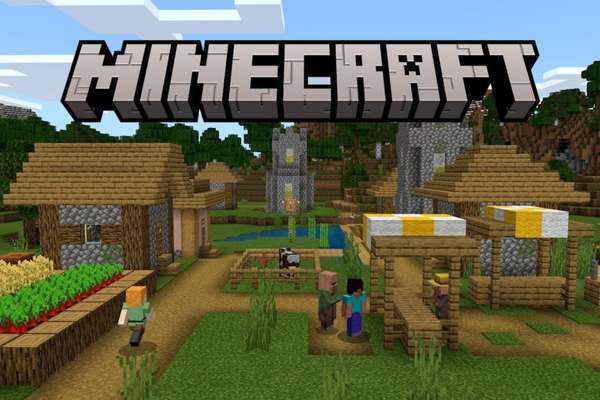
Most guides focus on placing blocks in the right order. They show dimensions, roof shapes, or screenshots of beautiful starter homes. Those are useful, but they miss the reason many players rebuild their base multiple times. The issue usually isn’t the design. It’s that the house was never planned around the way Minecraft actually progresses.
This guide takes a different approach.
Instead of asking, “How do you build a nice house?” we’ll answer a more useful question.
How do you build a house that still makes sense twenty hours later?
By the end, you’ll know where to build, what your first house actually needs, what can safely wait until later, and how experienced Survival players think about bases long before they start decorating them.
Why Your First Minecraft House Matters
Your first house should protect your future, not just your first night.
Many new players believe the house exists for one purpose: keeping zombies outside. That’s only true during the first evening. After that, your house slowly becomes the center of everything you do.
Every mining trip starts there.
Every valuable item is stored there.
Every upgrade eventually returns there.
Think about how your gameplay changes over time. During the first hour, you only own a wooden pickaxe and a few pieces of food. Ten hours later, you’re carrying enchanted gear, stacks of ores, villagers, crops, brewing ingredients, and maybe even a Nether portal nearby. A house that worked perfectly on day one often becomes frustrating by day five.
Experienced players don’t build houses.
They build headquarters.
That small shift in thinking changes almost every design decision.
A house is more than shelter
The best starter houses aren’t the prettiest ones. They’re the ones that reduce friction every time you return home.
Picture finishing a long mining session with a nearly full inventory. You walk inside, open your storage, smelt your ores, repair your tools, grab fresh food, sleep through the night, and head back out in less than two minutes.
Now imagine doing the same thing in a cramped wooden box where every chest is overflowing, furnaces are scattered randomly, and crafting requires constantly moving items around.
Neither house looks very different from the outside.
Inside, they’re completely different experiences.
Convenience is one of those things players rarely notice until they lose it.
Your world starts here
The first permanent base quietly becomes part of your world’s identity.
Years later, players often expand around it instead of replacing it. Massive castles grow from tiny cabins. Underground storage systems begin beneath a single chest. Even worlds filled with enormous projects often keep that original starter house untouched as a reminder of where everything began.
That’s why rushing the process rarely feels satisfying.
Build something practical first. The personality of your world develops naturally as your experience grows.

If you’re still learning Minecraft’s overall progression, reading the Minecraft Beginner Guide first makes planning your base much easier because it explains what resources and upgrades you’ll unlock over time.
Choose the Right Location First
A great location will save you more time than a beautiful design ever will.
This is probably the biggest mistake beginners make.
They see a nice view, place a crafting table, and decide that’s home.
Hours later they discover the nearest cave is hundreds of blocks away, the closest water source is inconvenient, and every farming project requires another long walk.
Experienced players usually spend a little more time looking around before placing the first block.
That patience pays for itself every single time they return home.
Build near water whenever possible
Water solves more problems than most beginners realize.
It supports farming.
It makes fishing available whenever you want.
It lets you create infinite water sources.
Later, it becomes useful for transporting villagers, building automatic farms, and even moving around your base faster.
A house beside a river or lake often grows more naturally because nearly every future project benefits from nearby water.
There are exceptions, of course. Mountain bases and desert builds can be incredibly rewarding. They simply require more planning.
For a first Survival world, water almost always makes life easier.
Don’t ignore nearby caves
Many players choose a building location based entirely on scenery.
Scenery doesn’t provide iron.
Caves do.
Walking five seconds to reach your mining entrance instead of five minutes doesn’t sound important during your first session.
After your fiftieth mining trip, it becomes one of the smartest decisions you ever made.
Some of the best long-term bases are built just outside cave systems rather than directly on top of them. You stay close to valuable resources without constantly dealing with hostile mobs underneath your floor.
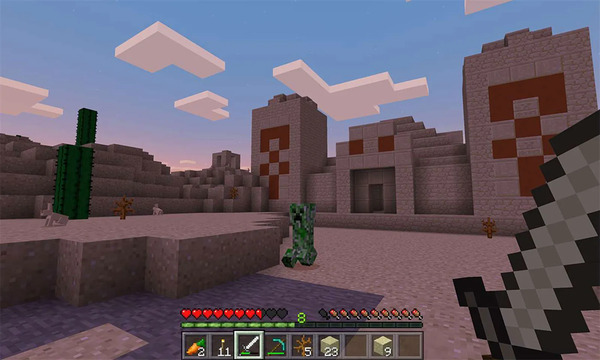
Once you’re ready to start collecting better materials, our How to Find Diamonds in Minecraft guide explains how to turn those nearby caves into consistent mining routes instead of random underground adventures.
Villages are better neighbors than most players think
New players often treat villages as places to steal bread and beds.
Veteran players see them as future investments.
Living close to a village means easier access to food, early trading, iron golems for protection, and eventually one of the strongest progression systems in the game: villagers.
Building hundreds of blocks away from the nearest village isn’t a disaster.
It simply means you’ll spend much more time transporting villagers later if you decide to create a trading hall.
Many experienced Survival players intentionally build within walking distance of a village, even if they don’t plan on using villagers immediately.
Future-you will appreciate that decision.
Flat land or mountains? Choose based on your goals
There isn’t a universally correct answer.
Flat areas are easier to organize. Farms fit naturally. Expansion requires less terraforming. Large storage buildings and animal pens are straightforward to build.
Mountains offer incredible views and natural defenses, but they introduce different challenges. Expanding rooms often means digging through stone, and connecting different sections of your base can become a project on its own.
Here’s a quick comparison.
| Feature | Flat Land | Mountains |
|---|---|---|
| Easy to build | Excellent | Moderate |
| Expansion | Very easy | Limited without excavation |
| Farming | Excellent | Good |
| Defensive position | Average | Excellent |
| Scenic value | Good | Outstanding |
| Beginner friendly | Yes | Depends on terrain |
Table 1. Flat Land vs. Mountain Base Comparison
Note: Neither choice is objectively better. Flat terrain is generally easier for first-time players, while mountain bases reward players who enjoy creative building and don’t mind extra excavation.
Some biomes make long-term survival easier
Not every biome offers the same experience.
Plains remain one of the safest recommendations because they provide open visibility, plenty of space, passive animals, and villages appear frequently.
Forests offer abundant wood but require clearing land before large projects.
Taiga biomes provide easy access to spruce wood and wolves, making them surprisingly enjoyable for long-term Survival worlds.
Deserts look clean and spacious but require extra effort to establish reliable food and wood production.
Rather than chasing the “perfect” biome, look for a location that combines several useful features nearby.
A decent biome with caves, water, and a village is often better than a beautiful biome that forces long trips every time you need basic resources.
If you’re still deciding where to settle permanently, our Best Minecraft Biomes guide compares every major biome based on survival, building potential, resource availability, and long-term progression instead of appearance alone.
Before You Place the First Block
A good starter house begins long before you place the first plank. The biggest difference between a smooth early game and a frustrating one usually isn’t building skill. It’s preparation.
One habit becomes obvious after playing dozens of Survival worlds: experienced players rarely stop what they’re doing halfway through construction because they forgot something important. They collect materials first, choose a location second, and only then start building.
It sounds less exciting than immediately placing blocks, but it almost always saves time.
Gather enough materials before you start
Collect more resources than you think you’ll need. Running out of wood halfway through your roof or realizing you’re short on cobblestone after finishing three walls breaks your momentum more than any hostile mob.
A simple starter house doesn’t require rare materials. Oak, spruce, birch, cobblestone, glass, and a few logs are enough to create something practical and attractive.
One lesson many long-time players eventually learn is that consistency looks better than expensive materials. A house built entirely from oak and stone often feels more polished than one made from six different block types simply because they were available.
Here’s a practical material checklist before you begin.
| Material | Recommended Amount | Why You Need It |
|---|---|---|
| Logs | 64–96 | Walls, roof, doors, crafting |
| Cobblestone | 64–128 | Foundation, furnace area, roof details |
| Coal or Charcoal | 32+ | Torches and smelting |
| Glass | 16–32 | Windows |
| Food | Enough for several in-game days | Avoid interrupting construction |
| Dirt | 32+ | Temporary scaffolding and landscaping |
Table 2. Recommended starter materials for a first Survival house
Note: These numbers aren’t strict requirements. They simply reduce unnecessary trips back into the forest while you’re building.
Secure food before decorating
A full stomach is more valuable than decorative windows. Hunger has a habit of interrupting building projects at the worst possible moment.
Many beginners become so focused on finishing the house that they forget they’re still playing Survival. Suddenly they’re sprinting through the forest looking for pigs while half-finished walls sit exposed to nighttime mobs.
Experienced players usually solve food first.
A small wheat farm, cooked meat, or bread from a nearby village is enough to keep your attention where it belongs.
One surprisingly effective habit is building your crop farm before your storage room.
Storage can wait.
Starvation can’t.

If you’re still getting comfortable with early-game resource management, the Minecraft Survival Guide explains how to keep food, tools, and exploration balanced without slowing your progression.
Build a bed before building a bedroom
The bed matters far more than the bedroom. New players often imagine cozy interiors before they even own enough wool.
Your first bed isn’t decoration.
It’s insurance.
Sleeping lets you skip dangerous nights, reset your spawn point, and dramatically reduce the chance of losing everything because of one unlucky encounter outside.
It’s funny how often players spend twenty minutes designing a bedroom while still sleeping on the floor because they haven’t actually crafted the bed.
Don’t build the room first.
Build the function first.
The decoration will eventually follow.
Light your future, not just your walls
Lighting prevents problems before they happen. Torches aren’t there to make your house look warm and inviting. Their real job is making sure hostile mobs never appear where you least expect them.
Most beginner houses have enough torches indoors.
Outside is another story.
The area surrounding your base deserves just as much attention.
Leaving dark patches near your entrance often leads to Creepers greeting you every morning. Every experienced player has opened their front door only to hear the unmistakable hiss waiting outside.
Usually, it only happens once before perimeter lighting becomes a permanent habit.
Lighting also helps navigation.
There’s something surprisingly comforting about spotting your torch-lit home from across a dark field after a long mining trip.
Plan your storage before you need it
Your inventory will outgrow your house much faster than you expect. During the first hour, two chests feel excessive.
Ten hours later, you’ll wonder where all those blocks came from.
Minecraft quietly fills your inventory with materials that seem unimportant until they’re suddenly essential. Different wood types, Redstone components, mob drops, building blocks, crops, enchanted books, and dozens of other resources quickly compete for space.
That’s why experienced players often reserve one wall exclusively for storage, even if those chests remain empty at first.
It’s much easier to fill planned storage than rebuild your house because you forgot to leave room for it.
How to Build a Starter House Step by Step
The best starter house isn’t the biggest one. It’s the one you’ll still enjoy using after twenty hours.
Forget giant mansions.
Forget elaborate castles.
Your goal is creating a base that grows with you instead of forcing a complete rebuild next weekend.
Start with a foundation that allows expansion
Think in rectangles, not random shapes. Fancy floor plans can wait until later.
A rectangular layout gives you one major advantage.
It’s incredibly easy to extend.
Need another storage room?
Expand one side.
Need an enchanting room?
Attach another section.
Need space for villagers?
Add another wing.
Many long-term Survival bases started as nothing more than a simple rectangle with room to grow.
Planning for expansion is usually smarter than planning for perfection.
Build strong walls, not tall walls
Height doesn’t automatically improve a house. Proportion does.
A wall that’s too short feels cramped.
A wall that’s too tall wastes materials and makes interiors feel empty.
For most starter houses, three-block-high walls strike a comfortable balance between functionality and appearance.
Adding support beams or mixing logs with planks also creates depth without making construction significantly harder.
Small details often have a bigger visual impact than expensive materials.
A good roof changes everything
The roof is what separates a house from a wooden box.
Ask experienced players what instantly makes beginner builds look better, and roofs almost always enter the conversation.
Flat roofs work.
Sloped roofs look finished.
Even a simple staircase roof creates shadows and depth that completely transform an otherwise ordinary structure.
One common mistake is spending an hour decorating walls while leaving the roof perfectly flat.
Ironically, visitors notice the roof long before they notice your flower pots.
Windows should improve visibility, not just appearance
Windows are practical tools disguised as decoration.
Looking outside before leaving your base is genuinely useful.
You immediately know whether it’s daytime, whether hostile mobs are nearby, or whether a wandering trader has appeared.
Large windows also make small interiors feel significantly bigger.
You don’t need floor-to-ceiling glass walls.
Just enough visibility to understand what’s happening outside before opening the front door.
Design the interior around gameplay
Every room should save you time. That’s a better design philosophy than trying to fill empty space.
When placing furniture and workstations, think about your routine.
You usually walk inside.
Open storage.
Craft something.
Smelt ores.
Repair equipment.
Sleep.
Place these stations near each other, and your base starts feeling surprisingly efficient.
Many experienced players instinctively organize their houses this way because they’ve repeated the same routine thousands of times.
A beautiful house is satisfying.
A beautiful house that makes every trip faster is unforgettable.
Leave space for tomorrow
Your starter house should solve future problems, not create them.
This is where many beginner bases quietly fail.
Everything fits perfectly…
Until it doesn’t.
An enchanting table needs bookshelves.
Villagers need workstations.
The Nether portal feels awkward outside.
Storage doubles.
Then doubles again.
Instead of squeezing every block into your original footprint, intentionally leave open land around your base.
The empty space might look unnecessary today.
A week later, it’ll become your animal farm, enchanting room, greenhouse, or portal courtyard.
That’s why experienced Survival players rarely say they’ve “finished” a base.
They simply reach the next stage of building it.
The Biggest Beginner Mistakes When Building a House
Most bad Minecraft houses aren’t built because of poor creativity. They’re built because players solve today’s problems without thinking about tomorrow’s.
After enough Survival worlds, patterns start repeating themselves. Different players, different seeds, different building styles—but the same mistakes appear again and again. The good news is that almost all of them are easy to avoid once you know what to watch for.
Building too early
Your first permanent house shouldn’t be your first shelter.
This surprises many new players because it sounds backwards.
The safest approach is often building two homes.
The first is a temporary shelter that keeps you alive during the opening hours.
The second is the place where you actually invest time and resources.
Trying to combine both usually creates compromises. You don’t have enough materials to build well, but you spend enough time that you don’t want to abandon it later.
Experienced players are surprisingly comfortable living in a cave or a tiny wooden cabin for a while. That patience gives them time to gather better materials, explore nearby terrain, and choose a location they’ll still like twenty hours later.
Ironically, delaying your permanent base often means building fewer houses overall.
Choosing beauty over function
A good-looking house becomes annoying if it interrupts your gameplay every five minutes.
One of the funniest things about Minecraft is how quickly priorities change.
At first, you care about flower pots.
A few hours later, you care about chest organization.
Later still, you wonder why your furnaces are so far from storage.
Beautiful builds and practical builds aren’t enemies, but functionality should come first in Survival.
A common habit among experienced players is finishing the “working side” of the base before decorating anything.
Storage first.
Crafting area second.
Smelting station third.
Everything else grows naturally around those spaces.
Decoration feels much more rewarding when the house already works well.
Ignoring natural terrain
The landscape should work with your build instead of fighting it.
Many beginners flatten enormous areas because perfectly flat land feels easier.
Sometimes that’s true.
Sometimes it’s a huge waste of time.
Minecraft worlds already provide cliffs, rivers, hills, forests, and natural elevation changes that make bases feel unique.
Instead of removing everything, ask a different question.
“What can I keep?”
A small hill might become a watchtower.
A river might become part of your entrance.
A cliff might naturally protect one side of your base.
Some of the most memorable Survival builds happen because players adapt to the world instead of forcing the world to adapt to them.
Forgetting that mobs exist
A beautiful base loses its charm quickly if Creepers keep renovating it for free.
Lighting inside your house isn’t enough.
Hostile mobs don’t care how organized your storage room is if they can spawn just outside the front door.
Think beyond the walls.
Light nearby paths.
Remove unnecessary dark corners.
Avoid leaving large open caves directly beneath your base if possible.
Many experienced players also surround their first base with simple pathways instead of random patches of grass.
The difference isn’t just appearance.
It makes nighttime travel dramatically safer.
Running out of room
Your house should always have somewhere to grow.
This mistake doesn’t appear immediately.
It shows up after several successful mining trips.
One more chest becomes three.
Three become twelve.
Then suddenly every wall is covered with storage and there’s nowhere left to move.
That’s why expansion space matters more than initial size.
Rather than building the largest possible starter house, build one that clearly allows future additions.
Every long-term Survival world changes.
Your house should be able to change with it.
Think Beyond One House
The best Minecraft bases aren’t single buildings. They’re small systems that keep expanding over time.
One mindset separates beginners from experienced Survival players.
Beginners ask,
“How big should my house be?”
Experienced players ask,
“What will eventually connect to this house?”
That tiny difference completely changes how a base evolves.
Your storage room will become the busiest place
Storage deserves its own dedicated space earlier than most players expect.
At first, two double chests seem almost excessive.
Later, you’ll separate stone, wood, ores, Redstone, farming supplies, mob drops, decorative blocks, enchanted books, and miscellaneous items into entirely different sections.
It happens gradually.
One day you simply realize opening random chests to find a single stack of cobblestone has become frustrating.
Building a dedicated storage room early saves countless small annoyances later.

Leave space for enchanting
Enchanting changes how you play, so your house should be ready for it.
Many players accidentally trap themselves by filling every available corner with furniture.
Then they finally craft an enchanting table and realize they don’t have enough room for bookshelves.
Planning ahead is surprisingly simple.
Reserve an empty room.
You don’t even have to use it immediately.
When the time comes, you’ll already have the perfect place waiting.
If you’re approaching that stage of progression, our Minecraft Enchanting Guide explains how to build an efficient setup without wasting resources on unnecessary upgrades.
Farms belong close to home
Walking less means playing more.
Food farms, animal pens, sugar cane, bamboo, and later automatic farms all become part of your daily routine.
Building them hundreds of blocks away almost guarantees you’ll eventually move them closer.
One habit common among experienced players is treating the house as the center of a small village.
Everything useful stays within easy walking distance.
Storage.
Crafting.
Animals.
Crops.
Enchanting.
Portal.
Every trip becomes shorter.
Every session feels smoother.
Plan for villagers before you need them
Villagers are easier to plan around than to relocate later.
Transporting villagers isn’t impossible.
It’s just rarely enjoyable.
Boats, minecarts, awkward terrain, nighttime attacks, and unexpected accidents can turn what should be a simple project into an entire evening.
That’s why experienced players often leave a section of land unused until they’re ready to build a trading hall.
Future planning doesn’t always save resources.
Sometimes it simply saves patience.
When you’re ready to build one of the strongest long-term progression systems in Minecraft, the Villager Trading Guide covers professions, workstation layouts, and the trades worth prioritizing.
Should You Copy YouTube Builds?
Use YouTube for inspiration, not instruction.
There’s nothing wrong with copying builds.
Almost every builder starts that way.
The problem begins when players compare their twenty-minute Survival cabin with a cinematic tutorial built in Creative Mode using unlimited resources.
Those aren’t the same challenge.
Inspiration teaches principles
Understanding why a build works is more valuable than copying every block.
Instead of memorizing a blueprint, look for patterns.
Why is the roof taller?
Why are logs placed on corners?
Why are windows uneven instead of perfectly symmetrical?
Those ideas transfer into every future project.
Block-by-block copying rarely does.
Eventually, you stop recreating houses and start borrowing techniques.
That’s when building becomes genuinely creative.
Perfect builds can become frustrating
A house that’s impossible to finish often provides less satisfaction than a simple house you actually complete.
Many elaborate tutorials require rare materials, advanced tools, or dozens of hours of gathering resources.
Halfway through, beginners often abandon the project entirely.
The result isn’t a beautiful house.
It’s an unfinished construction site.
A practical starter base finished in one evening usually creates more motivation than a castle that remains incomplete for the next three weeks.
Progress builds confidence.
Perfection often delays it.
Build for your world, not someone else’s
Every Minecraft world creates different challenges.
A coastal base should probably embrace the ocean.
A mountain base should use elevation.
A forest base should naturally incorporate nearby trees.
Trying to force the exact same blueprint into every biome often makes the world feel artificial.
Some of the most memorable Survival bases weren’t carefully planned.
They simply evolved around the terrain.
That’s why experienced players often stop following tutorials after the first few hours.
The world itself starts suggesting better ideas than any blueprint can.
Starter House vs Permanent Base
A starter house helps you survive. A permanent base supports everything you’ll build afterward.
Many beginners assume they’re the same thing.
They’re not.
Understanding the difference helps you avoid wasting time rebuilding from scratch every few sessions.
| Feature | Starter House | Permanent Base |
|---|---|---|
| Main Goal | Survive comfortably | Support long-term progression |
| Build Time | 20–60 minutes | Several hours or longer |
| Materials | Common resources | Mixed materials with better design |
| Storage | Basic | Large organized storage |
| Expansion | Limited | Planned from the beginning |
| Farms | Nearby or temporary | Fully integrated |
| Villagers | Usually absent | Often included |
| Nether Portal | Optional | Normally integrated into the layout |
Table 3. Starter House vs Permanent Base
Note: Many experienced players never completely replace their starter house. Instead, they gradually expand it until it naturally becomes their permanent base.
One interesting pattern appears in long-running Survival worlds.
The original house often stays exactly where it was built.
New rooms, underground storage, farms, enchanting areas, and workshops slowly surround it until that tiny cabin becomes the heart of an enormous settlement.
The best bases rarely appear overnight.
They grow alongside the player.
Easy Upgrades That Make Any House Look Better
You don’t need rare blocks to build a better house. You need better decisions.
One misconception follows almost every new Minecraft player.
They think better houses come from better materials.
That’s only partly true.
A diamond pickaxe helps you gather resources faster, but it won’t teach you proportion. Netherite won’t fix a flat roof. Quartz won’t magically make an awkward layout feel balanced.
Some of the most charming Survival houses are built almost entirely from wood and stone because their builders understand shape, depth, and scale.
Add depth before adding decoration
Depth makes a house feel real long before decorations do.
Walk around any naturally generated Minecraft village and you’ll notice something interesting.
Very few walls are completely flat.
Logs stick out slightly.
Windows sit deeper inside the wall.
Roof edges extend beyond the building.
Those tiny changes create shadows, and shadows create depth.
Instead of covering every surface with lanterns, flower pots, or banners, try pulling your support beams out by one block. Extend your roof slightly. Frame your windows with logs instead of placing glass directly into flat walls.
The difference is subtle until you step back.
Then the entire build suddenly feels more intentional.

Build a roof people remember
Players rarely remember walls. They remember roofs.
If someone showed screenshots of ten different Minecraft houses with the roofs removed, most of them would look almost identical.
The roof gives a build personality.
That doesn’t mean every roof needs to be complicated.
Even alternating stair blocks with slabs creates a smoother silhouette than a completely flat top.
One lesson learned after rebuilding countless Survival bases is that spending an extra fifteen minutes on the roof usually improves the house more than spending another hour decorating the interior.
The roof is the first thing you notice from a distance.
Treat it like the headline of your build.
Make the area around your house feel alive
A beautiful house surrounded by empty grass still feels unfinished.
Many players stop building the moment the walls are complete.
Experienced players often begin working on the surroundings instead.
Simple paths connecting your house to farms, mines, rivers, and nearby forests immediately make the world feel lived in.
Small details add up surprisingly quickly.
A few lanterns along a pathway.
A tiny bridge across a stream.
Custom trees.
Flower beds that don’t follow perfect squares.
None of these projects require expensive materials, yet together they make the base feel like part of the landscape instead of something dropped onto it.
The best-looking Minecraft worlds usually grow outward rather than upward.
Upgrade gradually instead of rebuilding everything
Small improvements usually create better worlds than complete rebuilds.
Many beginners eventually look at their starter house and think,
“I should destroy this and start over.”
Most experienced players do something different.
They renovate.
The wooden floor becomes spruce.
The tiny storage room expands underground.
Stone replaces dirt pathways.
The entrance gains a porch.
The roof gets a second layer.
Months later, almost nothing from the original build remains, yet technically it’s still the same house.
Those gradual transformations often create far more interesting bases than replacing everything at once.
Your world starts telling its own story because every upgrade reflects a different stage of your journey.
Before You Build a Bigger House, Ask Yourself These Questions
A larger house doesn’t automatically become a better base.
This is probably the biggest mindset shift that happens after playing Minecraft for hundreds of hours.
Eventually, you stop asking,
“How big can I build?”
Instead, you start asking,
“Will this make playing more enjoyable?”
Use this quick checklist before committing to your next expansion.
| Question | If the Answer is “No” |
|---|---|
| Can I reach storage quickly? | Improve your layout first. |
| Is there room for enchanting later? | Reserve space before decorating. |
| Can farms connect naturally to the base? | Reconsider your layout. |
| Will villagers fit without rebuilding? | Leave expansion space. |
| Is my lighting preventing hostile mobs? | Improve safety before appearance. |
| Can I add another room easily? | Avoid locking yourself into one design. |
Table 4. A practical checklist before expanding your Minecraft house
Note: If most answers are “No,” your next improvement should focus on planning rather than adding more blocks.
Frequently Asked Questions
How big should a starter house be in Minecraft?
Build only as large as your current needs require.
A house around 7×9 or 9×11 blocks usually provides enough space for beds, furnaces, crafting, storage, and future expansion without consuming an entire day gathering materials.
Bigger isn’t automatically better.
A compact base with smart organization is usually more efficient than an oversized building filled with empty rooms.
Is wood or stone better for a first Minecraft house?
Wood is faster to build with, while stone offers better durability and visual contrast.
Most experienced players combine both instead of choosing one.
Wood creates warmth.
Stone creates structure.
Mixing the two produces a house that looks more natural while still being inexpensive to build during the early game.
Should I build near a village?
Yes, if you think you’ll keep the world for a long time.
Villages become incredibly valuable once trading enters the picture.
Even if you ignore villagers today, your future self may spend hours transporting them later.
Building nearby now often saves a surprising amount of work.
If you’re unsure whether villagers are worth the effort, the Villager Trading Guide explains why many late-game players consider them one of the strongest mechanics in Survival.
When should I move into a permanent base?
Move only when your temporary base starts slowing you down.
There’s no fixed timeline.
Some players settle permanently after the first night.
Others spend an entire week exploring before placing their first serious foundation.
If your current base still supports everything you need comfortably, there isn’t any rush.
Why do experienced players leave empty space around their house?
Because empty space eventually becomes useful space.
One day it’s grass.
A few sessions later it’s an enchanting room.
Then it’s an animal pen.
Later it’s a Nether portal courtyard.
Planning for growth almost always beats rebuilding from scratch.
Why does my house still look like a box?
Because shape matters more than decoration.
Adding depth, changing roof angles, framing windows, and varying wall textures usually improve a build far more than expensive decorative blocks.
Many impressive houses are actually very simple once you ignore the details and look at their overall proportions.
Is it worth copying YouTube starter houses?
Only if you understand why the design works.
Following tutorials is a great way to learn.
Staying dependent on tutorials isn’t.
Pay attention to concepts like roof overhangs, block palettes, and layout instead of memorizing every block placement.
Those skills transfer into every future build.
Should my Nether portal be inside the house?
Usually no, but it should be nearby.
Portals are noisy, occupy a lot of space, and eventually become part of a larger transportation network.
Many experienced players build a dedicated portal room or courtyard connected to the main base rather than placing the portal directly beside their bed.
If you’re approaching this stage of progression, the Minecraft Nether Guide explains how to connect portals efficiently without creating confusing travel routes.
What’s the biggest mistake new players make when building?
Treating the first house as the final house.
Minecraft worlds naturally evolve.
Your base should evolve with them.
Building with expansion in mind is almost always a better long-term strategy than chasing perfection immediately.
Can I finish Minecraft without building a large house?
Absolutely.
Some speedrunners defeat the Ender Dragon without building a proper home at all.
But if you’re playing a long-term Survival world, a well-designed base dramatically improves almost every activity, from mining to farming and enchanting.
Does building style affect gameplay?
Indirectly, yes.
The appearance itself doesn’t change game mechanics.
The layout does.
Better organization means less time searching for items, shorter walking distances, and smoother progression throughout the game.
What’s the best mindset for building in Minecraft?
Build for the player you’ll become, not the player you are today.
That’s the habit separating short-lived worlds from saves that survive for hundreds of hours.
Every room should make tomorrow easier than today.
Final Thoughts
The best Minecraft house is the one that keeps making you want to log back in.
After hundreds of hours across different worlds, one pattern becomes impossible to ignore.
Nobody remembers exactly how many chests their first base had.
Nobody remembers whether the roof used spruce or dark oak.
People remember moments.
The house where a Creeper quietly waited outside the front door every morning.
The tiny cabin that somehow grew into an entire village without anyone planning it.
The underground storage room that started with four chests and somehow ended with an automatic sorting system.
That’s what makes Minecraft different from most building games.
You’re never just constructing walls.
You’re creating the backdrop for every adventure that comes afterward.
So don’t worry if your first house isn’t something you’d post on Reddit.
Don’t compare your world to cinematic YouTube builds created in Creative Mode after weeks of planning.
Build something useful.
Improve it whenever you learn something new.
Let it grow naturally as your world grows.
Years from now, if you keep that save file, there’s a good chance the smallest room in your entire base will still be the first one you ever built.
And somehow, that’ll probably remain your favorite part.
Before starting your next project, it may also be worth reading the Best Minecraft Seeds guide if you’re creating a new world, or the Minecraft Beginner Guide if you want a clearer roadmap for everything that comes after building your first home. Those guides fit naturally into the next stage of your Survival journey, where a simple house gradually turns into a world that’s uniquely yours.