Counter-Strike 2
All trademarks belong to their respective owners.
Popular Now









Popular
-
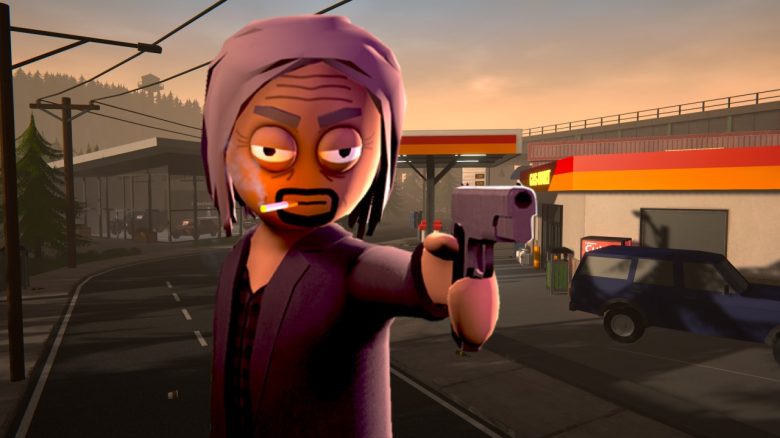
 R.E.P.O R.E.P.O is a cooperative horror game where players search dangerous locations for valuable items while avoiding deadly creatures. Its physics-based gameplay transforms simple objectives into tense, hilarious, and often unpredictable adventures with friends.
-
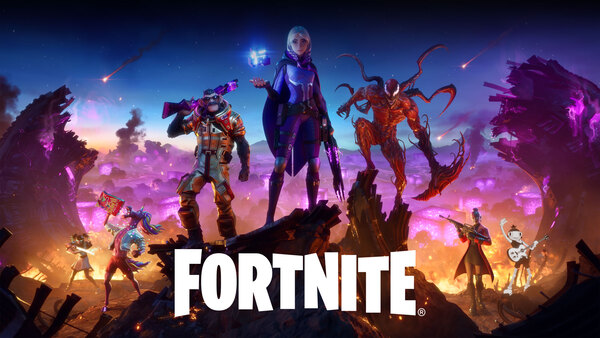
Fortnite Fortnite combines fast-paced battle royale action with building mechanics, creative modes, and regular content updates. From intense firefights to custom player-created experiences, it offers one of the most varied multiplayer ecosystems in gaming.
-
Rust Rust is an open-world multiplayer survival game where players gather resources, build bases, craft weapons, and compete for survival in a hostile world shaped by player interaction. Every encounter can lead to cooperation, betrayal, or a fight over valuable loot.
-
EA SPORT FC 25 EA SPORTS FC 25 builds on the foundation of previous entries with improved tactical systems, refined gameplay, and an extensive collection of licensed teams and leagues. Whether managing a club in Career Mode or competing online, there is always another match waiting.
-
Among Us Among Us is a multiplayer social deduction game where Crewmates complete tasks while secretly trying to identify the Impostors hiding among them. Simple mechanics, hilarious discussions, and unpredictable matches have helped it become one of the most popular party games ever made.
-
Grand Theft Auto V Grand Theft Auto V delivers an enormous open world packed with activities, memorable characters, and countless opportunities for chaos. Whether following the story of Michael, Franklin, and Trevor or building a criminal empire in GTA Online, there's always something happening in Los Santos.
-
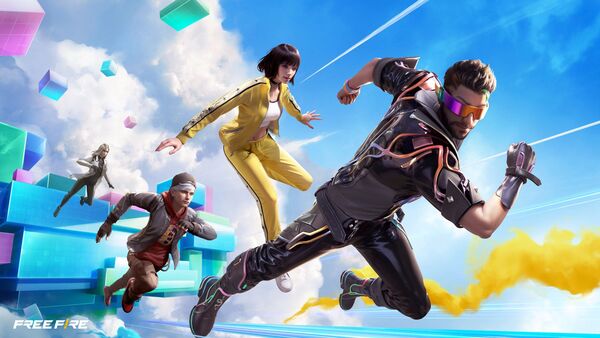
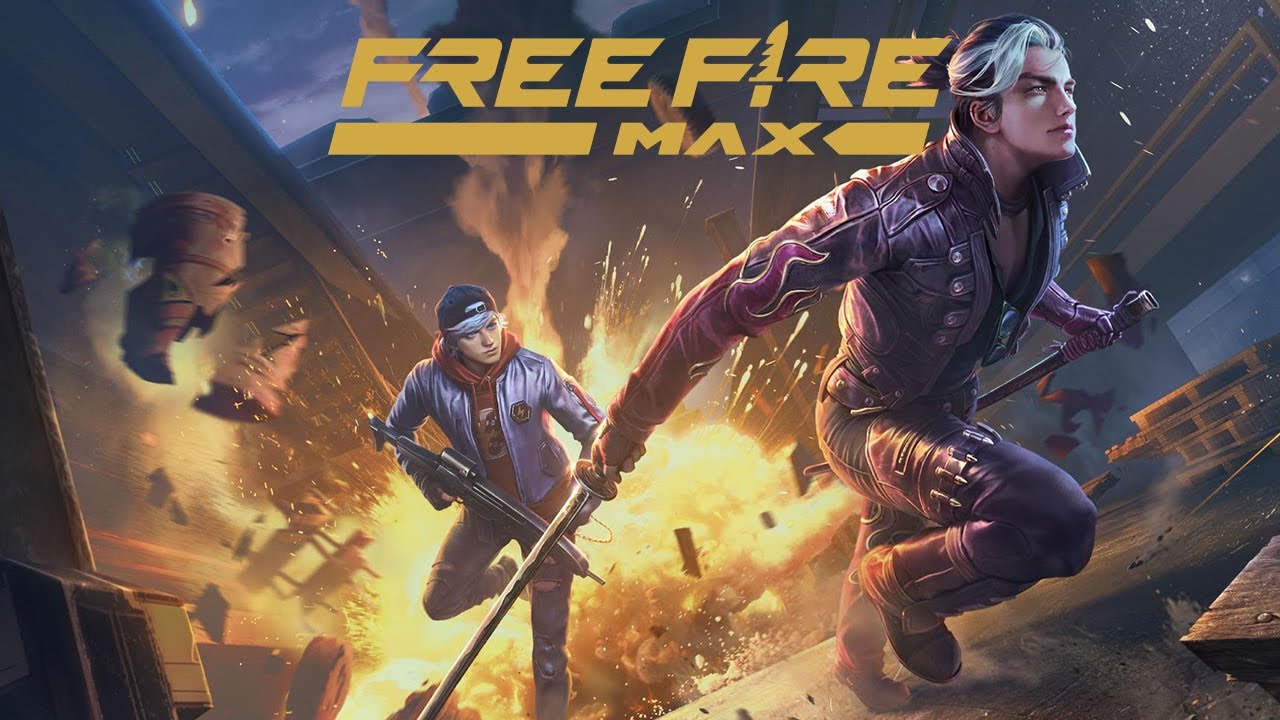
Free Fire Free Fire is a mobile battle royale game built around fast-paced matches, character abilities, and accessible gameplay. Its shorter match length and smooth performance on a wide range of devices have helped it remain one of the most popular mobile shooters in the world.
-
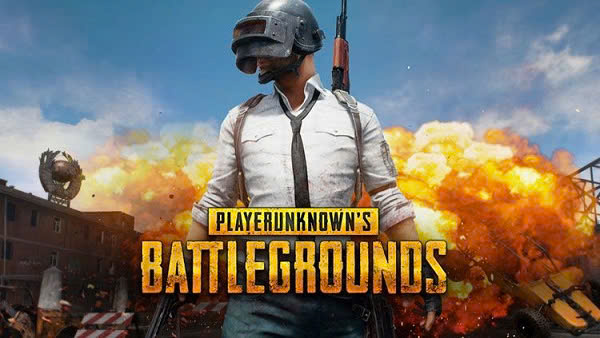
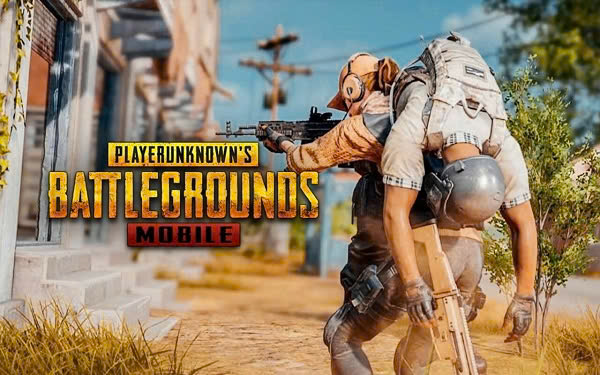
PUBG Mobile PUBG Mobile brings the classic battle royale formula to smartphones with large-scale matches, realistic weapons, strategic gameplay, and multiple maps. Its combination of survival mechanics, squad teamwork, and competitive ranked play continues to attract millions of players worldwide.
-
Poppy Playtime Poppy Playtime blends first-person horror, environmental puzzles, and a mysterious storyline inside an abandoned toy factory. Its memorable characters, GrabPack mechanics, and suspenseful atmosphere create an experience that keeps players curious from beginning to end.
-
Brawl Stars Brawl Stars is a multiplayer action game from Supercell that combines quick battles, unique characters, and multiple game modes into one highly addictive package. Whether playing casually or climbing ranked ladders, there's always another match worth jumping into.







Latest Posts



Latest Reviews
-
Sea of Thieves: 2025 Edition
Sea of Thieves: 2025 Edition is an open-world multiplayer pirate game where players hunt for treasure, battle rival crews, explore mysterious islands, and create their own stories across a vast shared ocean.
Read full review
-
99 Nights In The Forest
99 Nights In The Forest is a survival horror adventure game that challenges players to endure 99 terrifying nights in a mysterious forest filled with dangerous creatures and hidden secrets. Combining resource management, exploration, and tense encounters, the game creates a constant sense of vulnerability as players struggle to survive until dawn.
Read full review
-
Rust
Rust is an open-world multiplayer survival game where players gather resources, build bases, craft weapons, and compete for survival in a hostile world shaped by player interaction. Every encounter can lead to cooperation, betrayal, or a fight over valuable loot.
Read full review
-
Brawl Stars
Brawl Stars is a multiplayer action game from Supercell that combines quick battles, unique characters, and multiple game modes into one highly addictive package. Whether playing casually or climbing ranked ladders, there's always another match worth jumping into.
Read full review
-
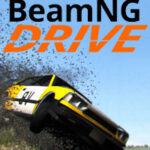
BeamNG.drive
BeamNG.drive is a realistic driving simulator known for its advanced soft-body physics, authentic vehicle handling, and incredible crash mechanics. Whether you're testing cars, exploring maps, or creating custom scenarios, it offers one of the deepest vehicle simulation experiences available.
Read full review
-
EA SPORT FC 25
EA SPORTS FC 25 builds on the foundation of previous entries with improved tactical systems, refined gameplay, and an extensive collection of licensed teams and leagues. Whether managing a club in Career Mode or competing online, there is always another match waiting.
Read full review