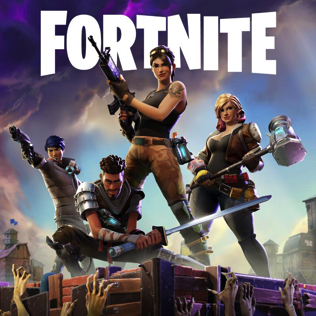
Fortnite
All trademarks belong to their respective owners.
Popular Now






Popular
-
 Call of Duty Call of Duty remains one of the most popular shooter franchises thanks to its responsive gunplay, fast multiplayer matches, and polished presentation. Whether you're playing competitive modes, campaign missions, or battle royale matches, there is always another objective to chase.
-
Roblox Roblox is a user-generated gaming platform that gives players access to millions of experiences across genres such as roleplaying, adventure, horror, racing, simulation, and RPGs. Its endless variety, social features, and creator-driven content make every session feel different.
-
Auto X Drift Racing 3 Auto X Drift Racing 3 is a mobile racing game focused on drifting, vehicle customization, and precision driving. Instead of relying on arcade-style boosts and shortcuts, it rewards players who learn how to control their cars through long, controlled slides and technical corners.
-
Valorant Valorant combines tactical shooting with agent-based abilities to create a competitive FPS where every round can change the outcome of a match. Strong gunplay, strategic depth, and a thriving ranked scene keep players coming back for more.
-
Sonic the Hedgehog™ Classic Sonic the Hedgehog Classic brings SEGA's legendary blue hedgehog to modern devices with its original high-speed platforming gameplay intact. Its colorful levels, memorable soundtrack, and focus on momentum still make it one of the most influential platformers ever created.
-
Counter-Strike 2 Counter-Strike 2 is Valve's competitive tactical shooter built around precise gunplay, teamwork, and strategic utility usage. The move to Source 2 modernizes the experience while preserving the tense, high-stakes gameplay that has defined Counter-Strike for decades.
-
EA SPORT FC 25 EA SPORTS FC 25 builds on the foundation of previous entries with improved tactical systems, refined gameplay, and an extensive collection of licensed teams and leagues. Whether managing a club in Career Mode or competing online, there is always another match waiting.
-
Garena Free Fire: Kalahari Garena Free Fire: Kalahari introduces a desert-themed battleground that emphasizes positioning, long-range engagements, and strategic movement. Its unique terrain, elevated vantage points, and fast-paced battle royale action make it one of the most distinctive maps in Free Fire.
-
The Legend of Zelda The Legend of Zelda is one of gaming's most celebrated adventure franchises, combining exploration, puzzle-solving, memorable characters, and immersive world design. Whether exploring classic dungeons or vast open landscapes, every journey through Hyrule feels meaningful.
-
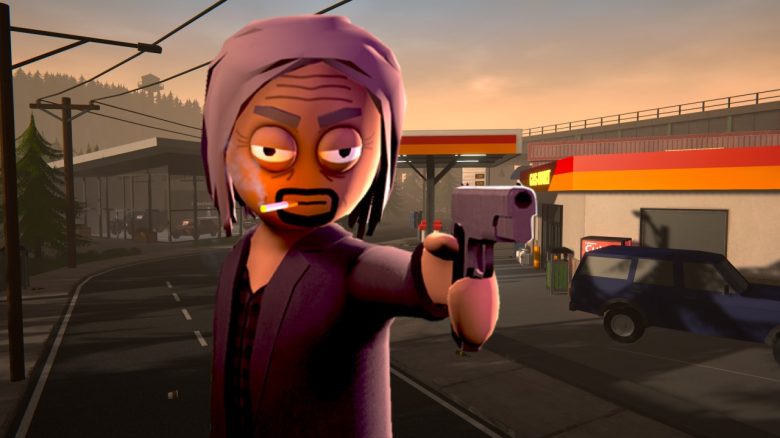
Toca Boca World Toca Boca World is a creative sandbox game where players design characters, decorate homes, and create their own stories across dozens of interactive locations. Its freedom, accessibility, and family-friendly design make it one of the most popular creative games for younger audiences.



Latest Posts


Latest Reviews
-
Sea of Thieves: 2025 Edition
Sea of Thieves: 2025 Edition is an open-world multiplayer pirate game where players hunt for treasure, battle rival crews, explore mysterious islands, and create their own stories across a vast shared ocean.
Read full review
-
99 Nights In The Forest
99 Nights In The Forest is a survival horror adventure game that challenges players to endure 99 terrifying nights in a mysterious forest filled with dangerous creatures and hidden secrets. Combining resource management, exploration, and tense encounters, the game creates a constant sense of vulnerability as players struggle to survive until dawn.
Read full review
-
Rust
Rust is an open-world multiplayer survival game where players gather resources, build bases, craft weapons, and compete for survival in a hostile world shaped by player interaction. Every encounter can lead to cooperation, betrayal, or a fight over valuable loot.
Read full review
-
Brawl Stars
Brawl Stars is a multiplayer action game from Supercell that combines quick battles, unique characters, and multiple game modes into one highly addictive package. Whether playing casually or climbing ranked ladders, there's always another match worth jumping into.
Read full review
-
BeamNG.drive
BeamNG.drive is a realistic driving simulator known for its advanced soft-body physics, authentic vehicle handling, and incredible crash mechanics. Whether you're testing cars, exploring maps, or creating custom scenarios, it offers one of the deepest vehicle simulation experiences available.
Read full review
-
EA SPORT FC 25
EA SPORTS FC 25 builds on the foundation of previous entries with improved tactical systems, refined gameplay, and an extensive collection of licensed teams and leagues. Whether managing a club in Career Mode or competing online, there is always another match waiting.
Read full review