Gorilla Tag Review – A VR Phenomenon Built on Pure Movement
Introduction
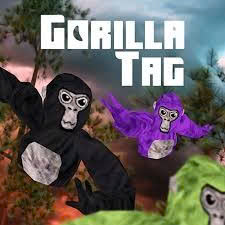
Released in February 2021 by Another Axiom, Gorilla Tag quickly became one of the most recognizable virtual reality games on the market. Unlike many VR titles that rely on traditional movement systems, Gorilla Tag introduced a unique locomotion mechanic that allows players to move using only their arms. There are no joysticks for walking, no teleportation systems, and no complex control schemes. Instead, players push themselves around the environment like gorillas, climbing, jumping, and swinging through maps using physical motion.
At first glance, the game looks deceptively simple. The graphics are minimalist, the objectives are straightforward, and the controls appear unconventional. However, Gorilla Tag has managed to build a massive community and become one of the most played VR games in the world. The reason is simple: it delivers a level of physical engagement and social interaction that few VR experiences can match.
After spending dozens of hours across public lobbies, custom rooms, and various game modes, it's easy to understand why Gorilla Tag remains so popular years after its launch.
Gameplay
The Core Concept
The foundation of Gorilla Tag is surprisingly simple. Players take control of a gorilla-like character with no legs. Movement is entirely based on arm motion. By pushing against surfaces, players propel themselves through the environment.
This system immediately creates a learning curve unlike anything found in traditional games. The first few minutes can feel awkward and exhausting. New players often struggle to move efficiently, frequently colliding with walls or failing jumps.
However, once the movement clicks, Gorilla Tag becomes incredibly satisfying.
Learning Through Practice
Unlike many multiplayer games that reward better equipment or unlocks, Gorilla Tag rewards mastery of movement. Every hour spent practicing translates directly into better performance.
I vividly remember struggling to climb trees during my first session. A few weeks later, I was navigating entire maps without touching the ground. That sense of improvement feels far more rewarding than unlocking cosmetic items or leveling up a character.
Physical Skill Matters
Because movement and positioning determine success, Gorilla Tag often feels closer to a sport than a traditional video game. Quick reactions, efficient movement paths, and stamina management all influence outcomes.
This physical element helps separate the game from countless other multiplayer experiences.
Controls
A Unique Movement System
The biggest innovation in Gorilla Tag is undoubtedly its locomotion system.
Instead of using thumbsticks for movement, players swing their arms against surfaces to gain momentum. The system sounds simple on paper but creates an enormous amount of depth in practice.
Small adjustments in timing, angle, and force can dramatically change movement speed.
Accessibility Challenges
While the controls eventually become intuitive, they are not beginner-friendly. New players may initially find movement frustrating or physically demanding.
Unlike conventional games where basic movement is learned within minutes, Gorilla Tag often requires several sessions before players feel fully comfortable.
VR Immersion
The movement system contributes significantly to immersion. Every climb, leap, and escape feels earned because the player physically performs the actions rather than pressing a button.
This creates a level of connection between player and character that few VR titles achieve.
Graphics and Sound
Visual Design
Gorilla Tag adopts a minimalist visual style that prioritizes performance over realism.
Maps feature simple geometry, clean textures, and bright colors. While the graphics will not impress players seeking cutting-edge visuals, they serve the gameplay extremely well.
The simplicity ensures smooth performance across supported VR platforms while maintaining excellent visibility during fast-paced chases.
Environment Variety
Despite its minimalist approach, the game offers a surprising amount of environmental diversity.
Forests, caves, mountains, city environments, and seasonal maps each introduce unique movement opportunities and strategies.
Different maps encourage players to develop distinct traversal techniques, helping maintain long-term variety.
Audio Design
The sound design is functional rather than spectacular.
Environmental sounds provide useful information about nearby players, while movement noises help reinforce the physicality of the locomotion system.
Voice chat plays a major role in the overall audio experience. Conversations, teamwork, jokes, and spontaneous interactions often become some of the most memorable moments during gameplay.
Game Modes
Tag
The classic Tag mode remains the heart of Gorilla Tag.
One player begins as the tagger and attempts to catch others. Once tagged, the infected player joins the hunters.
The simplicity of the mode perfectly complements the movement-focused gameplay.
Infection
Infection mode raises the stakes by creating larger groups of hunters as the match progresses.
The increasing pressure forces players to improve their movement skills and adapt quickly to changing situations.
Casual Mode
For players who prefer social interaction over competition, Casual Mode provides a relaxed environment for exploration and conversation.
Many players spend hours simply hanging out with friends or practicing movement techniques.
Custom Lobbies
Custom rooms allow players to create private matches and unique challenges.
The community frequently invents new mini-games and movement competitions that extend the game's longevity far beyond its official content.
What Makes Gorilla Tag Different?
Movement Is the Gameplay
Many games use movement as a way to reach objectives.
In Gorilla Tag, movement is the objective.
Every chase, escape, climb, and pursuit revolves around mastering locomotion.
This singular focus gives the game a unique identity within the VR landscape.
Social Interaction Feels Natural
Unlike text-based communication systems or menu-driven interactions, Gorilla Tag encourages spontaneous social experiences.
Because players occupy the same virtual spaces and use voice chat, conversations feel surprisingly natural.
Some of my favorite moments involved complete strangers working together to escape taggers or teaching newcomers advanced movement techniques.
Endless Skill Ceiling
The skill ceiling is much higher than many players initially expect.
Experienced players can perform advanced movement techniques that appear almost impossible to newcomers.
This creates long-term progression without relying on traditional RPG mechanics.
Strengths
Outstanding Movement Mechanics
Few VR games offer a locomotion system as original and satisfying as Gorilla Tag.
Highly Social Experience
The community-driven nature of the game creates memorable interactions on a regular basis.
Excellent Replayability
Every match unfolds differently depending on player behavior and skill levels.
Strong Skill Progression
Improvement comes through practice rather than unlocks, making success feel rewarding.
Accessible Entry Price
The game offers tremendous value considering the amount of content and replayability available.
Weaknesses
Steep Learning Curve
New players may struggle significantly during their first few sessions.
Physically Demanding
Extended play sessions can become tiring, especially for players unaccustomed to active VR experiences.
Community Moderation Challenges
Like many social multiplayer games, public lobbies occasionally contain disruptive players.
Limited Visual Fidelity
Players seeking visually impressive VR experiences may find the graphics too simplistic.
Motion Comfort Concerns
Although many players adapt quickly, the movement system may not suit everyone.
Who Should Play Gorilla Tag?
Gorilla Tag is ideal for:
- VR enthusiasts seeking unique gameplay.
- Players who enjoy social multiplayer experiences.
- Competitive gamers who appreciate skill-based progression.
- Users looking for physically active VR titles.
- Friends searching for a fun cooperative and competitive experience.
The game may be less appealing to players who prefer story-driven adventures, realistic graphics, or traditional control schemes.
Personal Experience
What impressed me most about Gorilla Tag wasn't the movement system itself. It was how naturally the movement system created memorable moments.
Many multiplayer games rely on progression systems, rewards, or competitive rankings to keep players engaged. Gorilla Tag relies almost entirely on fun.
Some of my favorite sessions involved nothing more than chasing friends through the forest map for an hour. The mechanics are simple enough that anyone can understand them, yet deep enough that improvement remains rewarding months later.
The game also succeeds where many VR titles struggle: longevity. Most VR games feel impressive for a few hours before their novelty fades. Gorilla Tag remains engaging because the community continuously creates new experiences through social interaction and skill development.
Final Verdict
Gorilla Tag proves that innovative design often matters more than graphical fidelity or complex mechanics. By building an entire multiplayer experience around a single movement concept, Another Axiom created one of the most influential VR games of the modern era.
Its unique locomotion system, strong social features, and endless skill ceiling make it a standout title for both newcomers and experienced VR players. While the learning curve and physical demands may discourage some users, those willing to invest time will find one of the most rewarding multiplayer experiences available in virtual reality.
Score: 9.1/10
Gorilla Tag transforms a simple idea into an addictive VR phenomenon. Few games capture the joy of movement and social interaction quite as effectively, making it an essential title for anyone interested in virtual reality.