Introduction
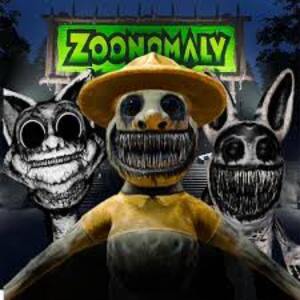
Released on March 6, 2024, Zoonomaly is an indie horror puzzle game developed and published by LIGHTS ARE OFF LLC. At first glance, the game appears surprisingly harmless. The colorful zoo setting, cartoon-inspired animal designs, and open environments create an atmosphere that seems more playful than frightening. However, players quickly discover that something is terribly wrong inside the zoo.
Rather than relying on jump scares every few minutes, Zoonomaly focuses on exploration, puzzle-solving, and constant tension. Players are tasked with collecting key fragments hidden throughout the zoo while avoiding bizarre mutated creatures known as anomalies. The result is a unique horror experience that combines survival mechanics, environmental puzzles, and psychological unease.
What initially caught my attention was how effectively the game uses contrast. Few horror games place players in such a bright and seemingly friendly environment. The cheerful zoo setting makes the disturbing creatures feel even more unsettling when they suddenly appear around a corner.
After spending several hours exploring its exhibits and solving puzzles, I found Zoonomaly to be one of the more creative indie horror releases in recent years.
Gameplay
Exploring the Zoo
The primary objective is straightforward. Players must search various sections of the zoo to locate key shards needed to unlock the central gate and escape.
While the goal sounds simple, the layout of the zoo creates a surprisingly engaging exploration experience. Different areas contain unique challenges, hidden pathways, and environmental clues that encourage players to thoroughly investigate their surroundings.
Unlike many linear horror games, Zoonomaly allows players to tackle objectives in a relatively open order. This freedom helps make the zoo feel like a believable location rather than a sequence of connected levels.
Puzzle Solving
Puzzles form a significant portion of the gameplay loop.
Many objectives require players to observe environmental details, identify patterns, and solve logic-based challenges before progressing. Fortunately, the puzzles strike a good balance between accessibility and difficulty.
Most solutions feel rewarding rather than frustrating.
There were several moments where I found myself genuinely examining exhibits and clues rather than simply searching for obvious interaction prompts. That level of engagement helped the game stand out from many indie horror titles that rely primarily on chase sequences.
The Anomaly Creatures
The anomalies serve as the game's primary threat.
Each creature possesses a unique appearance and behavior pattern. Some roam specific areas, while others actively pursue players once detected.
What makes these enemies memorable is their design philosophy. Rather than focusing on excessive gore, the developers created creatures that feel unnatural and disturbing in subtle ways. Familiar animal shapes become twisted and unsettling, creating a sense of unease that lingers throughout the game.
The Monster Lens Mechanic
One of Zoonomaly's most interesting mechanics involves a special lens used to identify and repel anomalies.
Instead of relying on weapons, players must use observation and timing to defend themselves. This creates encounters that feel different from traditional survival horror games.
The mechanic adds tension because players must remain calm enough to react appropriately while under pressure.
Controls
Keyboard and Mouse
Zoonomaly uses a conventional first-person control scheme.
Movement, interaction, and inventory management all feel intuitive. Most players familiar with horror games will adapt almost immediately.
The controls rarely interfere with gameplay, which is important in a title where exploration and puzzle-solving play such significant roles.
Learning Curve
The game introduces new mechanics gradually, making it approachable for newcomers.
The anomaly lens system initially requires some experimentation, but it quickly becomes second nature after a few encounters.
Overall Responsiveness
During my playthrough, movement felt smooth and reliable. Interactions registered consistently, and puzzle elements generally behaved as expected.
For an indie title, the level of polish is impressive.
Graphics and Sound
Visual Design
Zoonomaly's visual style is one of its greatest strengths.
Rather than pursuing photorealism, the game adopts a stylized approach that enhances its unsettling atmosphere. Bright colors and playful architecture create a false sense of security that horror elements constantly disrupt.
The contrast between friendly environments and terrifying creatures becomes increasingly effective as the game progresses.
Creature Design
The anomaly designs deserve special praise.
Each creature feels unique while maintaining a consistent artistic identity. The developers clearly invested significant effort into creating monsters that are disturbing without relying solely on graphic imagery.
Several encounters genuinely surprised me because of how unpredictable the creatures appeared and behaved.
Environmental Storytelling
The zoo itself tells much of the story.
Abandoned exhibits, unusual decorations, and environmental clues gradually reveal details about the strange events that occurred before the player's arrival.
This subtle storytelling approach encourages exploration while maintaining immersion.
Audio Design
Sound design plays a major role in creating tension.
Distant noises, animal sounds, and environmental effects constantly keep players on edge. The soundtrack remains relatively restrained, allowing silence and ambient audio to create much of the suspense.
Some of the game's most effective moments occur when players hear an anomaly before seeing it.
Game Modes
Single-Player Experience
Zoonomaly is designed as a single-player adventure focused on exploration, puzzle-solving, and survival.
The absence of multiplayer elements allows the game to maintain a consistent atmosphere and pacing.
Open Exploration Structure
Unlike many horror games that force players along predetermined paths, Zoonomaly encourages free exploration.
This approach creates greater immersion because players feel responsible for discovering solutions rather than simply following objectives.
Replay Value
Although the main objectives remain consistent, different exploration routes and puzzle-solving approaches provide some replay value.
Players may also revisit the game to uncover details they missed during their initial playthrough.
What Makes Zoonomaly Different?
Horror in Broad Daylight
Most horror games rely heavily on darkness.
Zoonomaly proves that bright environments can be equally unsettling when used effectively.
The colorful zoo setting creates constant psychological tension because players never know when a seemingly safe location may become dangerous.
Focus on Investigation
Combat rarely takes center stage.
Instead, players spend much of their time observing, analyzing, and solving problems.
This slower pace allows tension to build naturally rather than relying on constant action.
Memorable Creature Designs
Many indie horror games struggle to create monsters that feel unique.
Zoonomaly largely succeeds thanks to its unusual combination of familiar animal shapes and disturbing mutations.
Strengths
Unique Horror Premise
The zoo setting immediately distinguishes the game from countless abandoned hospitals and haunted houses.
Strong Atmosphere
The combination of visuals, sound design, and environmental storytelling creates consistent tension.
Creative Monster Designs
The anomalies remain memorable long after the game ends.
Engaging Puzzles
Most puzzles feel meaningful and rewarding to solve.
Effective Use of Contrast
Bright environments make the horror elements even more impactful.
Weaknesses
Limited Narrative Depth
Some players may wish the story provided more detailed explanations.
Occasional Repetition
Certain objectives become somewhat repetitive during longer sessions.
Modest Scope
The game's relatively short length may leave players wanting more content.
Simple Character Systems
Players looking for deeper progression mechanics may find the gameplay somewhat straightforward.
Who Should Play Zoonomaly?
Zoonomaly is an excellent choice for:
- Horror fans seeking something different.
- Players who enjoy puzzle-solving.
- Fans of atmospheric exploration games.
- Gamers interested in indie horror experiences.
- Players who prefer tension over excessive gore.
The game may be less appealing to those who prioritize action-heavy combat or large open-world adventures.
Personal Experience
What surprised me most about Zoonomaly was how effectively it maintained tension without relying on constant jump scares.
Many modern horror games attempt to frighten players through sudden loud noises or endless chase sequences. Zoonomaly takes a more measured approach. The uncertainty surrounding the anomalies creates a persistent feeling of discomfort that remains effective throughout the experience.
I also appreciated how exploration felt meaningful. Every section of the zoo contained visual details that encouraged investigation, making progression feel earned rather than scripted.
While the game occasionally repeats certain ideas, its originality consistently kept me interested. By the end of the adventure, I was more invested in uncovering the zoo's mysteries than I initially expected.
Final Verdict
Zoonomaly succeeds because it understands that atmosphere often matters more than spectacle. Through clever creature design, strong environmental storytelling, and engaging puzzle mechanics, it delivers a memorable horror experience that stands apart from many of its contemporaries.
Although its story could be deeper and its scope somewhat larger, the core experience remains highly enjoyable. Players looking for a horror game that emphasizes exploration, observation, and psychological tension will find plenty to appreciate.
Score: 8.4/10
Zoonomaly transforms a seemingly cheerful zoo into a genuinely unsettling adventure, proving that horror can thrive in the most unexpected places.