PUBG Mobile
Popular Now








If you’re looking for a PUBG Mobile beginner guide because your first few matches ended with a quick trip back to the lobby, you’re in good company. Almost everyone starts the same way. You land, pick up a shiny rifle, hear footsteps, panic, miss every shot, and wonder how another player deleted you in two seconds.
The mistake isn’t poor aim.
It’s misunderstanding how PUBG Mobile actually works.
Many beginners believe battle royale games reward fast reflexes above everything else. After hundreds of hours across multiple seasons, one lesson becomes obvious: information beats mechanics more often than mechanics beat information. Players with average aim consistently outperform players with excellent aim simply because they make better decisions.
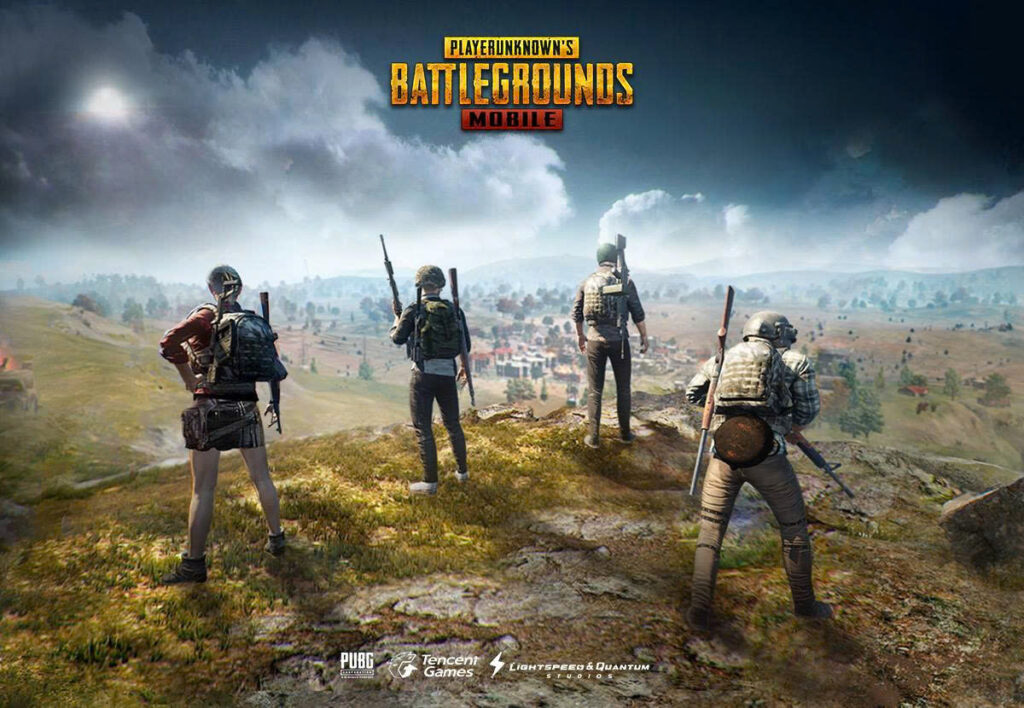
This guide isn’t about turning you into a Conqueror overnight. It’s about helping you survive longer, understand why experienced players make certain choices, and build habits that continue paying off long after your beginner matches are over.
By the end, you’ll know what really matters during your first games, what you can safely ignore, and which skills deserve your attention first.
How a PUBG Mobile Match Actually Works
A PUBG Mobile match isn’t a giant deathmatch where everyone runs around looking for fights. It’s a survival game disguised as a shooter.
That’s the first concept most new players miss.
The rifle in your hands matters, but every match is really a sequence of decisions. Where you land, how quickly you loot, when you rotate, and which fights you refuse often determine the outcome long before the final circle appears.
Every standard match follows the same structure.
| Match Phase | What Happens | Beginner Priority |
|---|---|---|
| Plane Flight | Choose where to land | Pick a safe landing area |
| Early Game | Loot equipment and survive | Build a complete loadout quickly |
| Mid Game | Rotate with the blue zone | Avoid unnecessary fights |
| Late Game | Few squads remain | Play for positioning instead of kills |
| Final Circle | Small safe zone | Stay calm and fight only when necessary |
Table 1. The typical flow of a PUBG Mobile match
Note: The exact timing changes depending on the map, but the decision-making process stays remarkably similar.
Understanding these phases immediately changes how you approach the game.
A common beginner habit is spending five or six minutes inside one compound searching every room for slightly better attachments. Experienced players rarely do this. Once they have two reliable weapons, armor, healing items, and enough ammunition, they start thinking about where the next fight will happen rather than where the next scope might be hiding.
One memorable example came during a squad session on Erangel. A teammate refused to leave Pochinki because he wanted to upgrade from a 3x Scope to a 4x. While searching another house, another squad arrived from the edge of the safe zone. The better optic never mattered because positioning had already been lost.
That’s one of PUBG Mobile’s quiet lessons.
Perfect loot almost never compensates for poor timing.
Instead of asking:
“Do I have the best gun?”
Ask:
“Am I standing in the best place?”
That question wins far more matches.
If you’re still unfamiliar with different playlists like Classic, Arena, Payload, or Team Deathmatch, it’s worth understanding what each mode is designed for before investing dozens of hours into one of them.
This guide focuses on Classic mode because that’s where most new players begin. If you’re curious about the other game modes and what each one offers, take a look at our PUBG Mobile Game Modes Explained guide.
Every Match Is Really a Series of Small Decisions
One reason PUBG Mobile remains popular years after release is that very few situations have only one correct answer.
Imagine hearing gunfire about 150 meters away.
A beginner usually thinks:
“Free kill.”
An experienced player starts asking questions.
- How many teams are fighting?
- Is the blue zone moving?
- Can another squad hear these shots too?
- Will winning this fight actually improve my position?
Those questions don’t appear naturally during your first week.
They develop after enough painful mistakes.
Ironically, surviving isn’t about avoiding combat forever. It’s about recognizing which fights improve your chances of winning and which ones simply feed another squad.
That mindset starts here.
What You Should Do in Your First Five Minutes
The first five minutes decide more matches than most beginners realize.
Not because you’ll eliminate half the lobby, but because early decisions create momentum that lasts until the final circles.
Players often assume they lose because someone had better aim.
In reality, many defeats started three minutes earlier.
Choose a Landing Spot That Matches Your Skill
Landing in the busiest location sounds exciting.
Sometimes it even works.
Most of the time, though, it sends new players back to matchmaking before they’ve learned anything useful.
Locations like Pochinki, Bootcamp, Military Base, or Hacienda usually attract aggressive players looking for immediate action. These places are fantastic practice once you’re comfortable with the mechanics, but they’re unforgiving classrooms.
Quieter compounds provide something far more valuable.
Time.
Time to understand looting.
Time to experiment with recoil.
Time to learn inventory management.
Time to observe the minimap.
That extra breathing room teaches far more than dying with a pistol thirty seconds after landing.
If you’re unsure where to start, choosing beginner-friendly landing locations makes the learning curve much smoother.
This guide focuses on helping you understand the fundamentals of the early game. If you’re not sure where to land for safer fights and reliable loot, take a look at our Best Landing Spots in PUBG Mobile guide.
Stop Looting Earlier Than You Think
One habit almost every new player develops is endless looting.
Every room looks important.
Every attachment seems necessary.
Every unopened building feels like hidden treasure.
After enough experience, something surprising becomes obvious.
The strongest players aren’t the ones carrying the most equipment.
They’re usually the first players rotating toward the next safe position.
Here’s a simple checklist.
Once you have:
- Two usable weapons
- Level 2 armor if possible
- Around 150–200 rounds of ammunition
- Healing supplies
- A few throwables
…your priority should shift from looting to gathering information.
Information ages much faster than loot.
The map changes.
Enemy positions change.
The blue zone changes.
Your backpack doesn’t.
Many players spend eight minutes collecting perfect gear only to sprint across an open field because they ignored the circle timer.
The result is almost always the same.
Learn the Minimap Before Learning Recoil
This sounds backward.
It isn’t.
The minimap quietly tells you almost everything happening nearby.
Gunfire direction.
Footsteps.
Vehicle sounds.
Teammate locations.
Safe zone movement.
Experienced players check it every few seconds without thinking.
Beginners often stare only at the center of the screen.
Developing this single habit dramatically increases survival because threats stop appearing “out of nowhere.”
They were almost always announced first.
The minimap simply noticed before you did.
Don’t Chase Every Fight
One of the funniest beginner mistakes is believing every gunshot deserves investigation.
It doesn’t.
Imagine hearing automatic fire across the river.
There are at least three possibilities.
- One squad is already winning.
- Another squad is waiting to third-party.
- Someone else is watching both teams.
Arriving late often means becoming the easiest target instead of collecting easy eliminations.
Sometimes walking away is the highest-IQ play available.
It doesn’t feel heroic.
It wins games.
The First Five Minutes Checklist
Instead of trying to memorize dozens of mechanics, focus on a small routine every match.
| Priority | Goal | Why It Matters |
|---|---|---|
| Land safely | Stay alive | More practice, less waiting in the lobby |
| Find two weapons | Become combat ready | Flexibility matters more than perfect weapons |
| Collect healing | Recover after mistakes | Survival beats aggression |
| Watch the minimap | Build awareness | Most danger appears before you see enemies |
| Leave early | Rotate before others | Position usually beats equipment |
Table 2. A simple routine for every beginner match
Following this routine won’t guarantee victories.
It will, however, eliminate many of the mistakes that keep new players stuck.
You’ll also notice something unexpected.
Matches become less stressful.
Instead of reacting to chaos, you’re making deliberate choices.
That’s where real improvement begins.
The next step isn’t finding stronger weapons or memorizing damage numbers.
It’s understanding which skills consistently separate experienced players from everyone else, even when they’re using ordinary equipment.
Forget Kills. Learn These Four Skills First
If there’s one piece of advice worth remembering from this PUBG Mobile beginner guide, it’s this: stop measuring progress by kills.
A surprising number of new players judge every match by the number beside their name. Zero kills means failure. Five kills means improvement.
That sounds reasonable until you watch experienced players.
Many Conqueror-level players finish games with fewer eliminations than aggressive beginners, yet they consistently reach the final circle. They understand something that takes most players weeks to realize.
PUBG Mobile is a survival game first and a shooting game second.
Shooting is simply one tool that helps you survive.
Instead of trying to master every mechanic immediately, focus on four core skills. Together, they’ll improve your gameplay much faster than endlessly practicing recoil in the training ground.
Positioning Wins More Gunfights Than Aim
The fastest way to lose confidence is by taking fair fights.
Experienced players rarely do.
Whenever possible, they fight from cover, from high ground, or from angles where the opponent has fewer escape options. The goal isn’t to prove superior aim. The goal is to make the fight unfair.
Think about two players using the exact same rifle.
One is standing in the middle of an open field.
The other is peeking from behind a rock.
Who has the advantage?
The answer has nothing to do with weapon statistics.
Many beginners blame recoil after losing these fights, when the real mistake happened before the first bullet was fired.
A useful habit is asking yourself one simple question every time you stop moving.
“If someone shoots me right now, where is my nearest cover?”
If you don’t know the answer, you’re probably standing in the wrong place.
Good positioning also changes how enemies behave. Players hesitate to push strong positions because they know they’ll expose themselves first.
That’s why experienced squads often appear calm during firefights. They’ve already solved the difficult part before anyone starts shooting.
This guide introduces the basics of positioning, but movement is a much deeper skill. If you want to learn how experienced players rotate, peek, and survive more gunfights, take a look at our PUBG Mobile Movement Guide.
Information Is More Valuable Than Damage
Every bullet reveals information.
Every vehicle creates noise.
Every opened door tells a story.
One of the biggest differences between beginners and veterans isn’t mechanical skill. It’s how much information they collect before making decisions.
Imagine hearing footsteps inside a two-story house.
A beginner usually rushes upstairs immediately.
A more experienced player pauses.
They listen.
Wooden footsteps?
Concrete footsteps?
One enemy?
Two enemies?
Healing sounds?
Reloading?
Those extra three seconds often decide the fight.
The same principle applies across the entire match.
Instead of constantly asking, “Where should I go next?”
Start asking:
“Where are other players likely to be?”
This small change transforms your decision-making.
Rather than reacting to enemies after seeing them, you’ll begin predicting where they should appear.
That’s one of the biggest milestones in PUBG Mobile.
The game starts feeling slower—not because players move slower, but because your brain is processing the battlefield more efficiently.
If you want to improve awareness even further, understanding how audio works is one of the highest-value skills you can learn.
Many beginners underestimate how much information comes from audio alone. If you want to recognize enemy footsteps, vehicle sounds, and gunfire more accurately, our PUBG Mobile Sound Guide explains how to use sound as one of your biggest advantages.
Timing Creates Easy Fights
Timing is probably the least discussed beginner skill, yet it’s responsible for countless victories.
New players often think fast decisions are good decisions.
PUBG Mobile rewards patient decisions far more often.
Consider a squad fighting inside a compound.
You hear automatic gunfire.
One teammate immediately wants to push.
An experienced squad usually waits.
Why?
Because someone will need to reload.
Someone will heal.
Someone will revive.
Those few seconds create the easiest opportunity in the entire engagement.
Winning isn’t always about being first.
Sometimes it’s about arriving at exactly the right moment.
The blue zone creates another example.
Many beginners rotate after the circle starts closing.
Veteran players often rotate before everyone else begins moving.
That single difference reduces traffic, avoids unnecessary fights, and provides better positions inside the next safe zone.
The strongest PUBG Mobile players don’t seem faster because of mechanical skill.
They simply arrive earlier.
Stay Calm When Things Go Wrong
No guide can teach perfect aim overnight.
It can teach emotional control.
One bad fight doesn’t ruin a match.
One missed spray doesn’t end the game.
One poor landing doesn’t mean you should panic.
Beginners often make a second mistake immediately after making the first.
Missing half a magazine usually leads to spraying the rest even faster.
Losing health encourages reckless pushes.
Missing loot causes players to overloot.
Experienced players pause instead.
That short reset prevents small mistakes from snowballing into disaster.
It’s one of the least glamorous skills in PUBG Mobile, yet one of the most valuable.
The Four Skills That Matter Most
| Skill | Why It Matters | Common Beginner Mistake |
|---|---|---|
| Positioning | Creates favorable fights | Standing in open areas |
| Information | Helps predict danger | Ignoring sound and the minimap |
| Timing | Makes engagements easier | Fighting too early |
| Composure | Prevents panic decisions | Rushing after every mistake |
Table 3. The four skills that improve survival faster than raw aim
Note: Mechanical aim still matters, but these four skills create far more opportunities to use it effectively.
The Biggest Mistakes Every Beginner Makes
Almost every experienced PUBG Mobile player can remember a painful beginner habit they eventually had to unlearn.
What’s interesting is that these mistakes rarely involve poor shooting.
They’re usually decision-making errors that quietly repeat every match.
Recognizing them early saves dozens of hours of frustration.
Treating Every Enemy Like a Mandatory Fight
Not every player you see should become your next target.
This sounds obvious after hundreds of matches.
It rarely feels obvious during your first week.
A distant enemy running across a hill might seem like free damage.
What beginners don’t see is everything outside their screen.
Another squad could already be watching.
The blue zone could be closing.
Your own position could become exposed after firing.
Sometimes the smartest shot is the one you never take.
A simple rule works surprisingly well:
If eliminating this player doesn’t improve your position, think twice before revealing yourself.
Looting Until Someone Else Finds You
Most beginners don’t lose because they have weak equipment.
They lose because they spend too much time searching for perfect equipment.
That extra attachment usually isn’t worth another two minutes inside the same building.
One memorable pattern appears every season.
Players fully equipped with Level 3 gear often die while rotating because they left too late.
Meanwhile, another squad with average equipment has already claimed the strongest compound inside the next safe zone.
Position wins again.
If you’re still unsure which locations provide reliable loot without attracting every squad on the map, learning efficient loot paths is far more useful than memorizing individual buildings.
Spending more time looting doesn’t necessarily make you stronger. Knowing where to go—and when to leave—is far more important. Our Best Loot Routes in PUBG Mobile guide shows you how to gear up quickly without falling behind the safe zone.
Running Without Looking Around
Movement alone isn’t enough.
Purposeful movement matters.
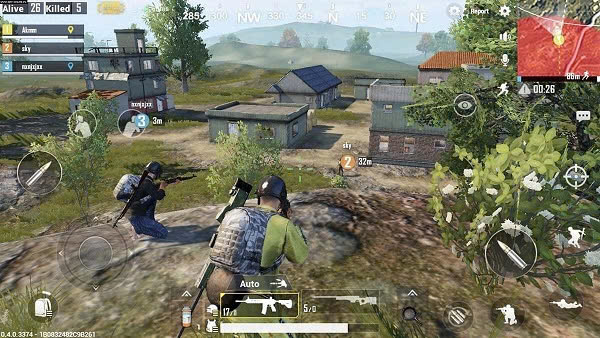
Many beginners sprint across roads, fields, and hills without checking nearby cover.
That habit works until someone spots you first.
Experienced players constantly break line of sight.
Trees.
Rocks.
Walls.
Ridges.
Vehicles.
Every piece of cover creates another chance to survive.
The safest route is rarely the shortest one.
Ignoring Utility Items
Grenades, smoke grenades, and stun grenades often sit untouched in beginner backpacks.
That’s unfortunate because utility items regularly win fights that rifles cannot.
A smoke grenade can rescue a teammate.
A frag grenade can force enemies out of cover.
A stun grenade creates an opening without exposing yourself.
Many players don’t appreciate utility until they reach higher ranks.
Learning to carry and use them early creates an advantage long before your gun skill catches up.
Expecting Every Match to Go Perfectly
Improvement in PUBG Mobile isn’t linear.
Some days you’ll win three matches.
The next day you’ll lose five in a row before reaching the top twenty.
That’s normal.
Battle royale games naturally contain more variables than traditional shooters.
One unlucky circle.
One third-party squad.
One missed rotation.
None of those erase your progress.
Instead of asking:
“Why did I lose this match?”
Ask:
“What decision would I repeat differently?”
That mindset produces consistent improvement over time.
Mistakes Worth Fixing First
Trying to eliminate every weakness at once usually leads nowhere.
Start with the habits that create the biggest impact.
- Leave your landing area earlier.
- Fight from cover whenever possible.
- Check the minimap every few seconds.
- Rotate before the blue zone forces you to move.
- Stop chasing every gunshot.
- Accept that surviving longer teaches more than collecting one early kill.
These habits may not look exciting on a highlight reel.
They quietly build the foundation every skilled PUBG Mobile player relies on.
The next step is choosing weapons that are forgiving enough to help you learn the game’s fundamentals instead of fighting against difficult recoil patterns.
Which Weapons Should Beginners Actually Use?
The best weapon for a beginner isn’t the strongest weapon in PUBG Mobile.
It’s the weapon that forgives mistakes.
This is where many new players get trapped by YouTube highlights and weapon tier lists. They see professional players dominating with a Groza or an MK14 and assume those guns are the fastest way to improve.
They’re not.
High-recoil weapons demand consistent crosshair placement, controlled sprays, and confidence under pressure. Those skills develop over time. Until then, your weapon should help you learn the game instead of punishing every small mistake.
Think of your first hundred matches as driving lessons. You don’t start with a Formula 1 car.
Prioritize Stability Over Damage
A weapon with slightly lower damage but predictable recoil is usually a better choice than one that kicks wildly after the first few bullets.
That’s why the M416 has remained one of PUBG Mobile’s most popular rifles across multiple seasons.
On paper, several weapons hit harder.
In real matches, very few are easier to control.
A beginner landing five accurate shots with an M416 is far more dangerous than someone missing half a magazine with a Beryl M762.
The same principle applies to SMGs.
UMP45 isn’t famous because it melts enemies instantly.
It’s popular because it gives newer players confidence during close-range fights.
Confidence often translates into better decision-making.
Panic usually does the opposite.
If you’d like a broader comparison of every primary weapon, our complete ranking breaks down where each gun shines.
It’s easy to assume one weapon is objectively better than the rest, but every gun has its own strengths and weaknesses. If you’re wondering which weapons are worth picking up in different situations, our Best Weapons in PUBG Mobile guide breaks them down in detail.
Four Beginner-Friendly Weapons
| Weapon | Why Beginners Like It | Best Engagement Range |
|---|---|---|
| M416 | Easy recoil, flexible attachments | Medium to long range |
| UMP45 | Stable spray pattern | Close to medium range |
| AKM | High damage with simple tap firing | Close range |
| SKS | Good introduction to DMRs | Medium to long range |
Table 4. Reliable weapons for learning PUBG Mobile
Note: Weapon balance changes over time, but these choices remain beginner-friendly because of their consistency rather than raw damage.
The M416 deserves special attention because it teaches transferable skills.
Learning spray control with an M416 makes transitioning to stronger rifles much easier later.
The UMP45 develops confidence in close-quarter engagements.
The AKM encourages disciplined firing instead of holding down the trigger.
The SKS introduces the rhythm of designated marksman rifles without overwhelming new players.
Each weapon teaches something valuable.
Stop Chasing Air Drops
Air drops create one of PUBG Mobile’s biggest psychological traps.
Everyone wants the rare loot.
Almost everyone underestimates the risk.
Watching experienced players ignore an untouched crate often surprises beginners.
Why walk away from the best equipment?
Because experienced players understand something invisible.
An air drop isn’t just loot.
It’s bait.
Every nearby squad knows its location.
Instead of asking whether the crate contains an AWM, ask another question.
“How many teams are already watching it?”
Sometimes the answer is none.
More often, someone is patiently waiting for another player to make the first move.
Until you’re comfortable reading the battlefield, there’s nothing wrong with leaving the crate exactly where it landed.
The safest loot is the loot that doesn’t attract three squads.
Attachments Matter Less Than You Think
Many new players spend valuable time searching for the perfect setup.
Extended Quickdraw Magazine.
Compensator.
Half Grip.
Tactical Stock.
The list never ends.
Attachments absolutely help.
They’re simply less important than many players imagine.
A player with average attachments and excellent positioning will consistently outperform someone carrying a perfectly customized rifle while standing in the open.
That doesn’t mean attachments should be ignored.
It means they should never delay your rotation or force unnecessary fights.
If the choice is between finding a Vertical Foregrip or reaching the next safe compound first, the compound almost always wins.
For a complete breakdown of why the M416 remains one of the most reliable rifles in the game, check out our dedicated weapon guide.
The M416 is one of the easiest rifles to learn, but getting the most out of it takes more than simply finding one. If you’d like to build it properly and understand why it remains a favorite across so many seasons, take a look at our M416 Guide.
If close-range fights are where you struggle most, the UMP45 deserves a closer look.
If close-range fights are where you struggle the most, the UMP45 is well worth learning. Our UMP45 Guide explains why it’s one of the most forgiving SMGs for beginners, along with the best attachments and situations to use it.
The Best Settings Before You Play Ranked
Settings won’t magically improve your aim.
Good settings simply remove unnecessary obstacles.
That’s an important distinction.
Many beginners spend hours copying sensitivity codes from professional players, expecting instant improvement.
Most end up performing worse.
The reason is simple.
Sensitivity isn’t one-size-fits-all.
It depends on your device, screen size, finger movement, and personal habits.
Professional settings are built around professional muscle memory.
You don’t have that muscle memory yet.
Adjust Comfort Before Precision
The first goal isn’t finding the perfect sensitivity.
It’s making the game comfortable enough that you stop fighting your controls.
A good setup should allow you to:
- Turn quickly without overshooting.
- Track moving enemies smoothly.
- Reach every important button without stretching your fingers.
- Keep visibility clear during chaotic fights.
Comfort creates consistency.
Consistency creates improvement.
Fine-tuning can come later.
Graphics Matter More Than They Look
Many players immediately increase graphics quality because the game looks better.
That’s understandable.
It’s rarely the smartest choice.
Stable frame rates improve aiming, tracking, and reaction speed much more than prettier shadows or reflections.
After playing on both high-end and mid-range devices, one pattern always appears.
Players with smooth performance generally outperform players dealing with frame drops, even if the second group enjoys better graphics.
If your device struggles, prioritize performance first.
Visual quality can always wait.
Recommended Beginner Settings
| Setting | Recommendation | Why |
|---|---|---|
| Graphics | Smooth or Balanced | Better frame stability |
| Frame Rate | Highest available | Smoother tracking |
| Aim Assist | Enabled | Helps during early learning |
| Auto Pick-Up | Enabled | Reduces unnecessary menu time |
| Peek & Fire | Enabled | Improves survivability |
| Healing Prompt | Enabled | Faster recovery during fights |
Table 5. Beginner-friendly PUBG Mobile settings
Note: Exact options vary depending on your device model.
These recommendations won’t maximize your ceiling.
They’ll maximize your learning speed.
That’s far more valuable during your first weeks.
If you’re unsure where to begin, start with a reliable sensitivity setup before making small adjustments based on your own gameplay.
There’s no single sensitivity setting that works for everyone. The best setup depends on your device, playstyle, and whether you use Gyroscope. Our Best PUBG Mobile Sensitivity Settings guide will help you find a setup that actually feels right instead of simply copying someone else’s code.
You should also spend a few minutes customizing your controls instead of relying on the default layout.
The default HUD works well enough for your first few matches, but most experienced players eventually customize it to make movement, aiming, and healing feel much more natural. If you’re ready to create a layout that fits your playstyle, take a look at our Best HUD Layout for PUBG Mobile guide.
Players interested in gyro aiming can enable it later, but it’s easier to understand after mastering the basics.
You don’t need to start using Gyroscope on day one, but it’s a feature worth exploring as your aim becomes more consistent. If you’re wondering whether it’s the right choice for you, take a look at our PUBG Mobile Gyroscope Guide.
When Should You Start Playing Ranked?
You don’t need to rush into Ranked.
In fact, waiting a little longer usually leads to faster progress.
Many beginners treat Ranked as the “real” version of PUBG Mobile.
It’s simply another environment with stronger opponents and higher consequences.
Entering too early often creates bad habits.
Instead of experimenting, players become afraid to make mistakes because every defeat feels expensive.
The better approach is surprisingly simple.
Play enough Classic matches until basic actions become automatic.
You should no longer need to think about:
- Opening doors.
- Managing inventory.
- Swapping weapons.
- Healing.
- Watching the blue zone.
- Using the minimap.
Once those habits happen naturally, your attention becomes available for more advanced skills like positioning and rotation.
That’s when Ranked becomes a productive learning environment instead of a stressful one.
Signs You’re Ready
Rather than focusing on account level or total matches played, pay attention to your consistency.
You’re probably ready for Ranked if you regularly:
- Reach the top 20.
- Rotate before the blue zone.
- Win occasional gunfights without panicking.
- Understand why you lose instead of blaming luck.
- Feel comfortable with your preferred weapons.
Notice what’s missing from that list.
Kill count.
Many players earn high ranks with average combat statistics because they make excellent strategic decisions.
PUBG Mobile rewards survival far more than ego.
When you do decide to enter Ranked, understanding how ranking points and progression work will save plenty of frustration later.
Once you’re comfortable with the basics, Ranked is the best place to measure your progress. If you’d like to understand how the ranking system works and what it takes to climb consistently, take a look at our PUBG Mobile Ranked Guide.
For players whose long-term goal is reaching Ace or Conqueror, remember that those ranks are built on consistent habits, not occasional highlight plays.
You’ll learn those habits one match at a time.
Your First 7-Day PUBG Mobile Improvement Plan
Trying to learn everything at once is one of the fastest ways to feel overwhelmed.
PUBG Mobile has dozens of mechanics, multiple maps, hundreds of weapons and attachments, and a constantly changing meta. Looking at all of it on day one makes improvement feel impossible.
A better approach is surprisingly simple.
Build one habit at a time.
Most experienced players didn’t suddenly become good. They quietly fixed one mistake after another until good decisions became automatic.
Instead of grinding hundreds of random matches, spend your first week with a clear purpose.
| Day | Primary Focus | Secondary Goal |
|---|---|---|
| Day 1 | Learn the match flow | Practice landing safely |
| Day 2 | Loot efficiently | Leave your landing area earlier |
| Day 3 | Movement and positioning | Fight from cover |
| Day 4 | Weapon control | Find your favorite rifle |
| Day 5 | Map awareness | Watch the minimap every few seconds |
| Day 6 | Circle rotations | Predict safe positions before moving |
| Day 7 | Play your first serious Ranked session | Review your mistakes after each match |
Table 6. A beginner-friendly seven-day improvement plan
Note: There’s no need to master each topic before moving on. The goal is steady progress, not perfection.
Day 1: Understand the Game Before Trying to Win
Forget kills.
Forget Chicken Dinners.
Spend your first day understanding the rhythm of a match.
Notice when the first fights happen.
Observe how quickly the blue zone forces players to move.
Watch how experienced teammates rotate even when no enemies are nearby.
Once the match starts making sense, everything else becomes easier.
Day 2: Build Faster Looting Habits
A useful exercise is setting yourself a personal rule.
Leave your landing area within two minutes, even if your equipment isn’t perfect.
You’ll quickly discover something interesting.
You rarely lose because you’re missing one attachment.
You often lose because someone else reached the next position before you did.
For better landing routes and safer early-game locations, check our dedicated guides.
Landing well is only half the battle. Knowing where to land and how to loot efficiently will give you a much stronger start in every match. If you’d like to improve your early game, take a look at our Best Landing Spots in PUBG Mobile and Best Loot Routes in PUBG Mobile guides.Day 3: Stop Standing Still
This sounds obvious.
Yet almost every beginner freezes while shooting.
Movement doesn’t always mean sprinting.
Sometimes it’s as simple as leaning behind cover, changing angles after firing, or repositioning before healing.
Watch experienced players carefully.
Notice how little time they spend exposed.
That’s not luck.
It’s discipline.
If movement is still confusing, learning the fundamentals deserves its own session.
If you’d like to learn more about recoil control and positioning, check out our complete PUBG Mobile Movement Guide.
Day 4: Stick With One Primary Weapon
Switching weapons every match slows improvement.
Using the same rifle repeatedly helps build muscle memory much faster.
Many experienced players recommend starting with the M416 because it rewards consistency without demanding perfect recoil control.
Pair it with a close-range option like the UMP45 if possible.
Spend an evening learning how those two weapons behave.
Don’t worry about every other gun yet.
We’ve covered M416 attachments, recoil patterns, and the best loadouts in much greater detail in our M416 Guide. If close-range fights are still giving you trouble, our UMP45 Guide explains why it’s one of the most beginner-friendly SMGs in the game.
Day 5: Train Your Eyes, Not Just Your Aim
One of the biggest breakthroughs comes when you stop staring only at your crosshair.
Start checking:
- The minimap.
- The kill feed.
- Vehicle sounds.
- Footsteps.
- The blue zone timer.
Better awareness often prevents fights entirely.
That’s much easier than trying to win every duel.
Day 6: Think One Circle Ahead
Many players react to the current safe zone.
Experienced players prepare for the next one.
Instead of asking:
“Where should I run now?”
Start asking:
“Where will everyone else probably go?”
That small shift changes everything.
Suddenly you’re arriving before crowded rotations instead of chasing them.
Day 7: Review Instead of Grinding
Playing ten matches without learning is less valuable than analyzing two matches carefully.
After each game, ask yourself:
- Why did I lose this fight?
- Did I rotate too late?
- Did I expose myself unnecessarily?
- Could I have avoided that engagement?
Improvement begins with honest answers.
Not excuses.
What Should You Learn Next?
Finishing this beginner guide doesn’t mean you’ve mastered PUBG Mobile.
It means you’ve built the right foundation.
From here, your learning should become more specialized instead of broader.
Most players naturally develop one area that needs the most attention.
If your aim feels inconsistent, focus on recoil control and sensitivity.
If you frequently get surprised by enemies, improve your map awareness and audio recognition.
If you’re reaching the top ten but never winning, positioning and final-circle decision-making should become your priority.
The good news is that every one of those skills can be practiced independently.
Recommended Learning Path
| Priority | Next Guide | Why Read It |
|---|---|---|
| 1 | PUBG Mobile Movement Guide | Learn how to survive longer |
| 2 | Best PUBG Mobile Sensitivity Settings | Improve aiming consistency |
| 3 | PUBG Mobile Sound Guide | Detect enemies earlier |
| 4 | Best Weapons in PUBG Mobile | Understand weapon strengths |
| 5 | PUBG Mobile Ranked Guide | Prepare for competitive play |
| 6 | PUBG Mobile Erangel Guide | Master the game’s most popular map |
| 7 | How to Reach Ace Rank | Build long-term improvement goals |
Table 7. Recommended reading order after this guide
Learning PUBG Mobile isn’t about finding one secret trick.
It’s about gradually removing weaknesses until solid decisions become second nature.
Every guide above explores one skill in much greater depth, making your practice sessions more focused and more rewarding.
Frequently Asked Questions
Is PUBG Mobile beginner-friendly?
Yes. PUBG Mobile has a learning curve, but new accounts are usually matched with bots and less experienced players. This gives beginners time to understand the game’s mechanics before facing stronger competition.
What’s the best gun for beginners?
The M416 is generally the easiest assault rifle to learn because of its controllable recoil and versatility. The UMP45 is another excellent choice for close-range fights.
Should beginners use Gyroscope?
Not immediately. Learn the basic controls first. Once aiming feels comfortable, experiment with Gyroscope to see if it suits your playstyle.
Is it better to play Solo or Squad?
Squad mode is usually more forgiving. Teammates can revive you, share loot, and cover mistakes while you’re still learning.
How long should I loot before rotating?
Most experienced players leave their landing area within two to three minutes. Staying longer usually creates unnecessary risks.
Why do I keep dying so quickly?
The most common reasons are poor positioning, slow rotations, and taking unnecessary fights. Aim is rarely the biggest problem for new players.
Should I chase every air drop?
No. Air drops attract multiple squads. Unless you understand the surrounding area, the risk often outweighs the reward.
Which map is easiest for beginners?
Erangel remains the best learning map because it teaches every core mechanic without overwhelming players with unique map-specific features.
How many matches should I play before Ranked?
There’s no perfect number. Once basic actions like looting, healing, and rotating feel automatic, you’re ready to start learning Ranked.
Are kills more important than survival?
No. PUBG Mobile rewards consistent survival, especially in Ranked. Good positioning often earns more rating points than reckless aggression.
How can I improve faster?
Practice one skill at a time instead of trying to improve everything simultaneously. Focused practice always beats random grinding.
What’s the biggest mistake beginners make?
Believing better weapons automatically lead to more wins. In reality, positioning, awareness, and timing have a much greater impact on long-term success.
Conclusion
Every experienced PUBG Mobile player remembers the early matches filled with confusion, missed shots, and quick eliminations. Those frustrating moments aren’t signs that you’re bad at the game—they’re part of learning a battle royale built around decision-making rather than raw reflexes.
If there’s one lesson to take away from this PUBG Mobile beginner guide, it’s that surviving longer teaches more than chasing kills. Strong positioning beats flashy mechanics, good timing beats reckless aggression, and understanding the flow of a match matters more than finding the rarest weapon.
Improvement won’t happen overnight, but it also doesn’t require endless grinding. Build better habits one at a time, review your mistakes honestly, and keep learning the fundamentals before worrying about advanced strategies.
Eventually, you’ll notice something that every long-time player experiences.
The game doesn’t become easier.
You simply start making smarter decisions before difficult situations ever happen.