Popular Now
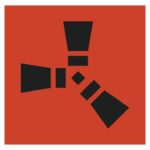









If you’ve searched for a complete Free Fire Max guide, chances are you don’t need another article telling you that headshots win fights or that diamonds buy cool skins. What you really need is a clear path to becoming a better player without wasting weeks learning through trial and error.
After hundreds of ranked matches across multiple seasons, one pattern becomes obvious. Most players don’t stay stuck because they have slow reflexes. They stay stuck because they focus on the wrong things at the wrong time. A new player spends an hour adjusting sensitivity before learning positioning. An experienced player changes characters every update without fixing predictable movement. Someone blames low FPS when they repeatedly peek the same angle.
Free Fire Max rewards decision-making far more than most people realize. Better aim helps, but knowing when to fight, when to rotate, and when to disengage usually has a much bigger impact on your rank.
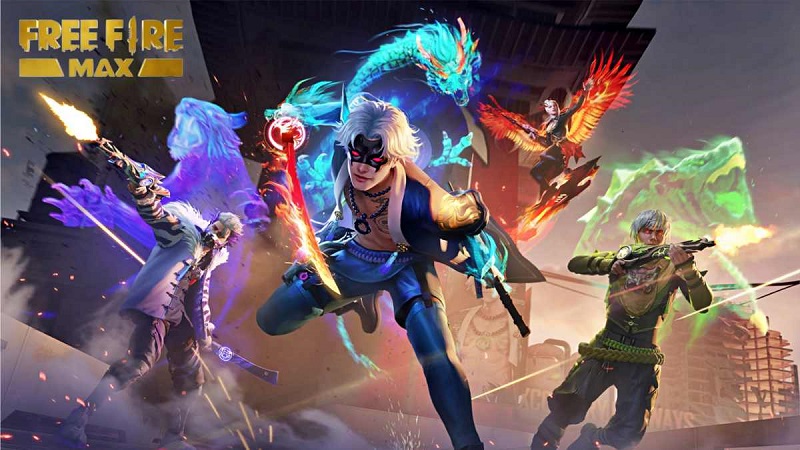
This guide is designed as a complete roadmap rather than a collection of random tips. You’ll learn what actually matters first, what can wait until later, and how every system in the game works together. Whenever a topic deserves a deeper explanation, you’ll also find dedicated guides such as Best Free Fire Max Settings, Best Free Fire Max Sensitivity, or Free Fire Max Ranked Guide naturally linked throughout this article.
Instead of trying to master everything in one weekend, focus on building one skill at a time. That’s how experienced players improve, and it’s also the fastest way to enjoy the game instead of constantly wondering why everyone else seems better.
Before You Start Playing
Winning more matches starts long before your first gunfight. The players who climb ranks consistently usually spend a few minutes preparing their game properly instead of jumping straight into a match with default settings.
Many beginners assume professional players are simply faster or more talented. In reality, most experienced players have already removed dozens of small disadvantages before the match even begins.
Don’t Copy Every YouTuber’s Settings
One of the biggest mistakes new players make is searching for “best settings” and copying every number they see.
That rarely works.
A sensitivity setup that feels amazing on an iPhone 16 Pro may feel completely uncontrollable on a budget Android device running at 40 FPS. Screen size, frame rate, touch sampling, and even finger grip all change how aiming feels.
Rather than looking for a magic configuration, think of settings as a starting point that you gradually personalize.
If you want a complete explanation of every option, read Best Free Fire Max Settings before spending time adjusting dozens of sliders.
Use Graphics That Help You Win
Many players automatically select Ultra graphics because they assume prettier visuals lead to a better experience.
Sometimes they do.
Ranked matches are different.
Smooth gameplay is usually more valuable than better shadows or higher texture quality. Stable frame rates make tracking moving enemies much easier, especially during close-range SMG fights where every millisecond matters.
Even high-end phones occasionally perform better with balanced graphics after long gaming sessions because thermal throttling becomes less aggressive.
The goal isn’t impressive screenshots.
The goal is consistent performance after your fifth ranked match, not your first.
If your phone struggles with frame drops or overheating, the dedicated Best Graphics Settings for Free Fire Max guide explains which options actually affect performance and which ones barely matter.
Customize Your Controls Early
Default controls work well enough to learn basic movement, but they quickly become limiting once you begin taking ranked matches seriously.
Simple adjustments can make everyday actions feel far more natural.
For example:
- Move frequently used buttons closer to your thumbs.
- Increase the fire button size if you often miss it during panic fights.
- Separate jump and crouch enough to avoid accidental presses.
- Place healing items somewhere that doesn’t block movement.
None of these changes instantly make you a better player.
They simply remove unnecessary friction so your attention stays on the fight instead of fighting the interface.
Players who invest a little time customizing controls usually stop making awkward mechanical mistakes much sooner.

For a complete breakdown of layouts and button placement, check Free Fire Max Controls Explained.
Start With Realistic Expectations
Many new players expect to reach Heroic within a few weeks.
That’s rarely how improvement works.
Most experienced players went through exactly the same learning curve:
- Losing easy gunfights.
- Landing in poor locations.
- Forgetting to heal.
- Reloading at the worst possible moment.
- Panicking during the final circle.
Those mistakes aren’t signs that you’re bad.
They’re part of learning how Free Fire Max actually works.
Improvement comes from recognizing one mistake at a time instead of trying to fix everything simultaneously.
Setup Checklist Before Your First Ranked Match
| Area | Recommendation | Why It Matters |
|---|---|---|
| Graphics | Prioritize smooth FPS over visual quality | More consistent aiming and movement |
| Controls | Adjust button placement to match your grip | Reduces input mistakes |
| Sensitivity | Start with balanced values instead of extreme settings | Easier muscle memory |
| Audio | Use headphones whenever possible | Enemy footsteps provide critical information |
| Internet | Play on a stable connection | Reduces packet loss and sudden delays |
Table 1. Essential preparation before playing ranked matches.
Note: These adjustments won’t replace good decision-making, but they remove many avoidable disadvantages.
The preparation phase may feel boring compared to jumping into action, but it creates a much stronger foundation. Once your game feels comfortable to play, every future practice session becomes more productive.
Learn the Core Gameplay First
Most players don’t lose because they can’t aim. They lose because they don’t understand why they entered a bad fight in the first place.
That’s an important distinction.
A perfect headshot can’t save you if you’re standing in the open with three squads watching the same hill.
Free Fire Max rewards smart decisions long before mechanical skill takes over. Understanding the game’s flow will improve your win rate much faster than memorizing weapon statistics.
Every Match Has Four Different Phases
Instead of thinking about every match as one continuous battle, divide it into four stages.
| Match Phase | Main Objective | Biggest Mistake |
|---|---|---|
| Landing | Collect enough loot safely | Fighting immediately without equipment |
| Mid Game | Rotate and improve inventory | Chasing unnecessary eliminations |
| Late Game | Secure strong positions | Running through open areas |
| Final Circle | Control information and positioning | Revealing your location too early |
Table 2. Understanding the natural rhythm of a Free Fire Max match.
Experienced players adjust their decisions depending on the current phase instead of playing every minute exactly the same.
Loot Faster, Not Longer
Many beginners treat looting like shopping.
They open every building.
Check every room.
Replace every attachment.
Meanwhile, the safe zone keeps shrinking.
A better habit is learning when you already have “good enough” equipment.
After a certain point, searching for slightly better gear becomes more dangerous than fighting with what you already have.
The strongest players usually leave their landing area earlier than beginners because they recognize when their inventory is ready.
A decent weapon, enough ammunition, armor, healing items, and utility are often all you need.
Everything after that is a bonus.
Stop Fighting Every Enemy You See
This lesson changes how players approach ranked mode.
Not every visible enemy should become your next fight.
Sometimes the smartest play is letting another squad pass while you rotate toward the safe zone.
Sometimes waiting ten seconds gives you an easy third-party opportunity with almost no risk.
One habit separates experienced players from impatient ones.
Experienced players ask:
“What happens after this fight?”
If the answer is:
- another squad can hear the gunfire,
- the safe zone is closing,
- you have limited healing,
then forcing that engagement probably isn’t worth it.
Rank isn’t earned by collecting the highest elimination count every match.
It’s earned by surviving long enough to make every elimination matter.
Movement Wins More Fights Than Aim
Watch skilled players carefully.
Their crosshair is good.
Their movement is even better.
They rarely stand still.
They avoid predictable paths.
They constantly reposition after firing.
During close-range fights, simply changing your angle after every burst forces opponents to adjust their aim repeatedly.
Newer players often remain exactly where they fired their first shot.
That’s why experienced opponents eliminate them so quickly.
Good movement creates difficult targets.
Great positioning prevents fights from becoming difficult in the first place.
Learn From Every Death
One of the fastest ways to improve isn’t playing more matches.
It’s understanding why the previous one ended.
After every elimination, ask yourself three simple questions.
- Did I choose the wrong fight?
- Was my position exposed?
- Could I have escaped earlier?
Very often, the answer has nothing to do with aiming.
Many deaths happen thirty seconds before the bullets are fired because of a poor rotation, a risky push, or unnecessary greed for extra loot.
That’s why experienced players review their own mistakes instead of blaming lag, teammates, or weapon balance after every loss.
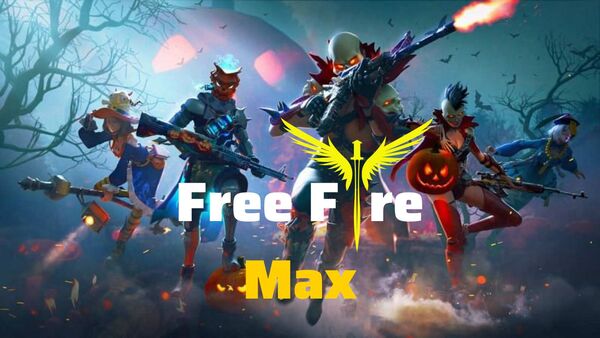
Mastering the core gameplay doesn’t make you unbeatable overnight, but it changes how you approach every match. Once those fundamentals become automatic, advanced mechanics like sensitivity tuning, character combinations, and weapon optimization begin to deliver much bigger improvements—which is exactly where the next part of this guide will focus.
Build the Right Settings Before You Chase Better Aim
Good settings won’t magically turn you into a Heroic player, but bad settings can absolutely keep you stuck in Platinum. Before blaming your reaction time or your opponents’ aim, make sure your own controls aren’t working against you.
One mistake shows up repeatedly among newer players. They spend hours looking for the “perfect” sensitivity code from a streamer instead of learning why those settings work. The reality is that settings should adapt to your device and your habits, not someone else’s highlight reel.
During one ranked season, an interesting pattern became obvious after spectating friends with very different skill levels. The players who climbed consistently rarely changed their settings. The ones who struggled seemed to have a new sensitivity every other day after watching another YouTube video.
Consistency builds muscle memory. Constant tweaking destroys it.
Every Setting Has a Purpose
Instead of viewing the settings menu as dozens of confusing sliders, think of each category as solving a specific problem.
| Setting | What It Affects | Common Beginner Mistake |
|---|---|---|
| General Sensitivity | Camera movement | Setting it too high |
| Red Dot | Close-range tracking | Copying pro settings blindly |
| 2x Scope | Mid-range accuracy | Ignoring recoil control |
| 4x Scope | Long-range precision | Moving too quickly while aiming |
| Free Look | Information gathering | Never using it during rotations |
| Button Layout | Speed and comfort | Keeping everything at default |
Table 3. Every major setting should solve a gameplay problem instead of looking impressive on paper.
The goal isn’t maximizing every slider. The goal is making every movement feel predictable.
If you’re unsure where to begin, Best Free Fire Max Settings explains every option in detail and provides recommended starting points for different devices.
Stop Searching for the “Best” Sensitivity
There isn’t one.
That’s probably disappointing if you expected a secret code, but it’s also good news because you don’t need one.
A sensitivity setup depends on several factors:
- Screen size
- Refresh rate
- Average FPS
- Thumb grip
- Playstyle
- Device performance
A player using an iPad can comfortably control values that feel completely unplayable on a smaller Android phone.
Instead of asking, “What sensitivity do professionals use?” ask yourself, “Can I consistently track moving targets without overcorrecting?”
That’s a much more useful question.
One exercise that works surprisingly well is entering the training ground and following a moving target without firing. If your crosshair constantly swings past the target, your sensitivity is probably too high. If it always lags behind, it’s probably too low.
Fine adjustments of three to five points are usually enough.
Changing everything by twenty points almost never is.
If you want detailed recommendations by device type and playstyle, Best Free Fire Max Sensitivity covers far more than just raw numbers.
Your HUD Should Feel Invisible
A good HUD is one you stop thinking about.
If you’re consciously looking for your crouch button during a fight, your layout still needs work.
Many experienced players gradually develop their own layout over months rather than copying one overnight. Small adjustments based on real gameplay usually outperform popular layouts downloaded from social media.
Some practical improvements include:
- Keeping movement buttons large enough to avoid accidental slips.
- Separating crouch and jump to reduce panic inputs.
- Positioning healing items where they don’t interfere with aiming.
- Enlarging utility buttons if you frequently use grenades or gloo walls.
The biggest surprise for many players is how much confidence improves once every button becomes instinctive.
For layout ideas and examples, Best Free Fire Max HUD Layout shows several configurations suited for different hand sizes and playstyles.
DPI Isn’t a Shortcut to Better Aim
Search for Free Fire Max videos on YouTube and you’ll quickly notice one trend.
Everybody seems to have a “secret DPI.”
In reality, DPI affects overall touch responsiveness, not just headshots.
Increasing it too aggressively often creates new problems:
- Overflicking targets.
- Losing recoil control.
- Inconsistent tracking.
- Accidental camera movement.
The best DPI is simply the one that feels stable over hundreds of matches.
Many skilled players perform better with moderate values because they’re easier to control during stressful situations.
That’s one reason why copying someone else’s number rarely produces the same results.
If you’re experimenting with touch responsiveness, Best DPI for Free Fire Max explains how DPI interacts with sensitivity instead of treating them as separate settings.
Settings Improve Comfort, Not Decision-Making
This is where many guides stop.
They explain sliders.
They don’t explain expectations.
No settings combination can fix poor positioning.
No HUD layout prevents unnecessary pushes.
No sensitivity value teaches patience during the final circle.
Mechanical settings simply remove obstacles between your intention and your actions.
Game sense still decides most ranked matches.
By the time your controls disappear into muscle memory, you’ll naturally spend less attention on your thumbs and more attention on reading the battlefield. That’s when real improvement begins.
Choose Characters That Match Your Playstyle
The strongest character isn’t always the strongest choice.
Free Fire Max has reached a point where almost every active skill can be effective under the right circumstances. The bigger question is whether that character complements the way you naturally play.
One habit separates experienced players from those constantly chasing the meta.
Experienced players build around their strengths.
Everyone else builds around YouTube thumbnails.
Start With Your Playstyle, Not the Tier List
Players usually fall into one of four categories, even if they don’t realize it.
| Playstyle | Best Traits to Prioritize | Typical Mistake |
|---|---|---|
| Aggressive Rusher | Mobility and burst damage | Taking every fight |
| Support | Healing and survivability | Staying too far behind teammates |
| Sniper | Vision and positioning | Camping for too long |
| Flexible Solo Player | Adaptability | Trying to fill every role at once |
Table 4. Character selection becomes much easier once you understand your own habits.
Choosing abilities that reinforce your natural instincts often produces better results than forcing yourself into an unfamiliar role.
Don’t Replace Characters Every Update
Every major update brings balance changes.
Naturally, players rush to replace their favorite character after reading patch notes.
Sometimes that’s justified.
Most of the time, it isn’t.
Unless a balance update fundamentally changes an ability, staying with a familiar character usually produces better long-term results than constantly switching.
Comfort matters.
Knowing exactly when an ability activates or how long its cooldown lasts becomes second nature after dozens of matches.
That confidence is difficult to replace with a recently buffed character you’ve barely used.
If you’re wondering which characters consistently perform well across different metas, Best Free Fire Max Characters compares their strengths beyond simple rankings.
Character Combinations Matter More Than Individual Abilities
Looking at one active skill in isolation rarely tells the full story.
Passive skills often determine whether an entire loadout feels powerful or awkward.
For example, an aggressive entry player benefits from abilities that improve mobility, sustain, and close-range pressure. A sniper gains much more value from skills that provide information, repositioning, or survival after taking a shot.
Think of your character setup like building a sports team.
The best individual players don’t always create the best lineup.
Good synergy almost always beats random power.
That’s why Best Character Combinations for Ranked Matches focuses on complete builds instead of recommending isolated abilities.
Meta Matters Less Than Execution
Every season has a handful of characters dominating social media discussions.
Then something interesting happens.
Thousands of players copy those recommendations without understanding why professionals use them.
The result is predictable.
Strong abilities become average because they’re used incorrectly.
One memorable ranked session highlighted this perfectly. A teammate insisted on using the newest meta character but activated the ability after every fight instead of before engaging. Meanwhile, another teammate used an older, supposedly weaker character but timed every skill perfectly.
Guess which one carried the squad.
Execution almost always beats theory.
Learn One Character Deeply
Instead of mastering ten characters halfway, master one completely.
Learn:
- Ability timing.
- Cooldown management.
- Strengths in different circles.
- Weaknesses against specific team compositions.
- Best weapons to pair with that character.
Once those become automatic, expanding into other characters becomes much easier because you already understand the game’s underlying decision-making.
Characters should make your preferred strategy stronger, not define it for you. When your mechanics, positioning, and awareness improve, almost every character becomes more effective, regardless of where they’re currently placed on a tier list.
Master Weapons Instead of Trying to Use Everything
The fastest way to become more consistent isn’t memorizing every weapon in Free Fire Max. It’s learning a small group of guns so well that you instinctively know when to fight, when to reload, and when to switch.
A lot of players make weapon choices based on rarity. They see a higher-tier gun and immediately swap, assuming it must be better. After enough ranked matches, that habit starts to disappear. Some weapons simply fit certain situations better, regardless of how flashy they look.
One of the biggest improvements comes when you stop asking, “Which gun is strongest?” and start asking, “Which gun gives me the highest chance of winning this fight?”
Every Weapon Has a Job
No weapon dominates every engagement.
An SMG that melts opponents inside a building becomes unreliable across an open field. A sniper rifle can decide a fight before it begins, but only if you have enough space to reposition after firing.
Understanding each weapon category makes decision-making much easier.
| Weapon Class | Best Situation | Weakness |
|---|---|---|
| Assault Rifle | Most mid-range fights | Doesn’t specialize in any one role |
| SMG | Close-range pushes | Damage drops quickly at distance |
| Shotgun | Point-blank combat | Punishes poor positioning |
| Sniper Rifle | Long-range picks | Slow follow-up shots |
| Marksman Rifle | Controlled medium-long range | Less forgiving under pressure |
| LMG | Sustained suppression | Heavy movement penalties |
Table 5. Knowing when to use a weapon matters more than memorizing its damage values.
Most players don’t lose because their gun is weak.
They lose because they force the wrong weapon into the wrong fight.
For detailed comparisons and seasonal rankings, Best Weapons in Free Fire Max breaks down which guns consistently perform well across different metas.
Build Around Two Primary Engagement Distances
Trying to prepare for every possible fight usually leaves you underprepared for all of them.
Instead, think about covering two engagement ranges.
A reliable loadout might look like this:
- Assault Rifle + Shotgun
- Assault Rifle + SMG
- Sniper Rifle + SMG
- Marksman Rifle + Assault Rifle
Each combination solves different problems while minimizing major weaknesses.
For example, pairing an Assault Rifle with a Shotgun gives you flexibility during rotations while still allowing aggressive building pushes. Meanwhile, a Sniper Rifle paired with an SMG lets you control long sightlines without becoming helpless once enemies close the distance.
Experienced players aren’t attached to specific weapons.
They’re attached to balanced loadouts.
Don’t Chase Airdrops Every Match
Airdrop weapons are exciting.
They’re also responsible for countless unnecessary deaths.
It’s surprisingly common to watch an entire squad abandon excellent positioning just to fight over a weapon they don’t actually need.
Sometimes that gamble pays off.
Most of the time, it attracts three other squads.
A useful rule is simple.
If your current equipment already allows you to win fights confidently, the airdrop is optional.
If reaching it forces you across open terrain or into an active battle, it’s usually smarter to let someone else take the risk.
Winning ranked games often means ignoring opportunities that look tempting.
Recoil Is Easier to Control Than Panic
Many players spend hours practicing recoil patterns while overlooking something far more important.
They panic.
The moment an opponent appears unexpectedly, their crosshair flies upward, movement becomes unpredictable, and every carefully chosen setting suddenly feels wrong.
Mechanical skill matters.
Composure matters more.
One habit that consistently improves close-range fights is firing in controlled bursts whenever possible instead of emptying an entire magazine immediately.
The first few bullets are usually the most accurate.
The rest often become increasingly difficult to manage under pressure.
Learn the Guns You Actually Enjoy
Meta lists change every season.
Comfort lasts much longer.
Some players naturally perform better with accurate Assault Rifles because they prefer patient fights. Others thrive using SMGs because they enjoy constant movement and aggressive pushes.
Neither approach is objectively better.
The important part is investing enough time to understand your preferred weapons completely.
That means learning:
- Effective range.
- Reload timing.
- Hip-fire performance.
- Recoil behavior.
- Movement speed while shooting.
- Common situations where the weapon struggles.
If you’re constantly switching weapons every update, you’ll spend more time adapting than improving.
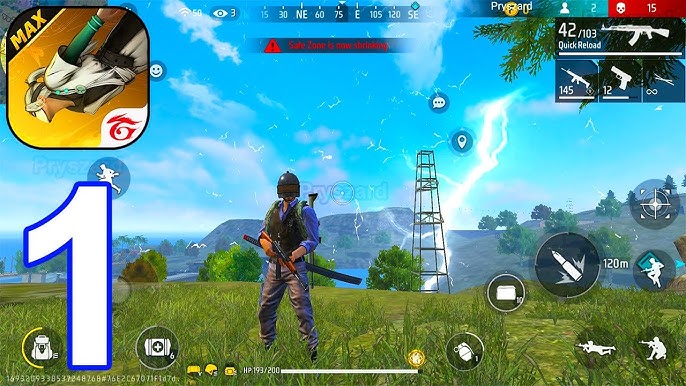
That’s why Free Fire Max Weapon Tier List should be treated as a reference, not a rulebook.
Great Players Win Before They Pull the Trigger
Watch enough high-level gameplay and you’ll notice something surprising.
The best players rarely depend on impossible headshots.
Instead, they create favorable situations before firing.
They approach from unexpected angles.
They avoid fighting uphill.
They reload before entering dangerous buildings.
They keep enough cover nearby in case the first burst doesn’t finish the fight.
Weapon mastery isn’t just about recoil.
It’s about making every bullet count because you chose the right moment to fire.
Learn Every Map Like a Local Player
You don’t need to memorize every building on every map, but you do need to understand how each environment naturally creates fights.
Many players think maps are simply different locations.
Experienced players see them as predictable patterns.
Certain compounds almost always attract early fights.
Some hills consistently become late-game power positions.
Certain roads almost guarantee third-party attacks.
Once you recognize those patterns, surviving becomes much easier.
Your Landing Spot Shapes the Entire Match
The first minute influences everything that follows.
Choosing a landing location isn’t only about loot quality. It’s about deciding how much risk you’re willing to accept.
Here’s a simple comparison.
| Landing Type | Reward | Risk | Best For |
|---|---|---|---|
| Hot Drop | High-quality loot | Very high | Experienced players |
| Medium Activity Area | Balanced loot | Moderate | Most ranked matches |
| Remote Location | Safe start | Lower-quality equipment | Beginners and solo players |
Table 6. Landing decisions should match your current objective, not your confidence level.
Many players assume landing in the busiest area automatically improves their skills.
Sometimes it simply shortens the match.
If your goal is climbing rank, surviving long enough to practice mid-game rotations usually provides more value than dying thirty seconds after landing.
Stop Fighting the Safe Zone
One mistake appears in almost every rank below Heroic.
Players wait until the blue zone starts moving before rotating.
That decision creates unnecessary pressure.
You’re forced to sprint.
Other squads already occupy strong positions.
Every open field suddenly becomes dangerous.
Experienced players often begin rotating before they absolutely have to.
Doing so gives them more freedom to choose favorable routes instead of running wherever the shrinking circle allows.
Late rotations don’t just reduce your options.
They give those options to everyone else.
High Ground Isn’t Always the Best Position
This advice surprises many newer players.
High ground is powerful.
It’s not automatically safe.
A hill without cover quickly becomes a trap if multiple squads know you’re there.
The strongest positions usually combine three advantages:
- Natural cover.
- Multiple escape routes.
- Clear sightlines.
Whenever possible, avoid places where winning one fight leaves you completely exposed to the next.
Some of the highest kill games happen because players patiently controlled strong terrain instead of constantly chasing eliminations.
Learn Traffic Patterns Instead of Memorizing Buildings
Trying to remember every structure on every map isn’t realistic.
Learning player behavior is.
For example, experienced players quickly recognize:
- Popular rotation routes.
- Frequently contested bridges.
- Common ambush locations.
- Late-circle choke points.
- Areas that become unusually quiet after the early game.
These patterns remain surprisingly consistent, even as maps evolve.
That’s why Complete Free Fire Max Map Guide focuses less on landmarks and more on understanding how players naturally move across each map.
Information Is More Valuable Than Loot
There comes a point in every match where information becomes the rarest resource.
Knowing where one enemy squad is often matters more than finding another med kit.
Whenever possible:
- Check nearby gunfire before pushing.
- Use high ground briefly to scout.
- Listen before entering buildings.
- Watch where vehicles are moving.
Many fights are won because one squad understood the battlefield better before the engagement even started.
Map knowledge isn’t about remembering geography.
It’s about predicting human behavior.
Once you understand where players are likely to appear next, the map begins feeling much smaller, and your decisions become much easier.
Rank Up Faster Without Playing More Matches
The quickest way to climb isn’t grinding for six hours every day. It’s increasing the quality of the decisions you make in every match.
Many players confuse activity with progress.
They chase every gunfight.
Loot every building.
Push every squad.
Then wonder why their rank barely moves.
Ranked mode rewards survival and intelligent engagements far more consistently than reckless aggression.
Think Like a Player Protecting Rank, Not Hunting Clips
Highlight videos create a misleading expectation.
They show spectacular squad wipes.
They rarely show the fifteen minutes of careful positioning that made those moments possible.
A player focused on climbing asks different questions.
Before every fight:
- Can we finish this quickly?
- Is another squad nearby?
- Where is the next safe zone?
- Do we have enough healing afterward?
If two of those answers look unfavorable, backing away is often the stronger play.
Retreat isn’t failure.
It’s resource management.
The Final Circle Rewards Patience
Late-game fights feel chaotic because every mistake becomes expensive.
One habit consistently separates experienced players from everyone else.
They don’t reveal themselves first unless they gain something meaningful.
Instead of firing the instant they spot movement, they evaluate:
- Is this enemy already fighting someone else?
- Will shooting expose my position?
- Can I eliminate the target before another squad reacts?
Sometimes waiting five seconds creates a much easier elimination.
Patience doesn’t reduce aggression.
It improves timing.
The Best Ranked Players Review Their Own Decisions
After a difficult loss, it’s tempting to blame matchmaking, teammates, or weapon balance.
Occasionally those factors matter.
Most of the time, there’s a more valuable question.
“What decision gave my opponent this opportunity?”
That mindset changes everything.
Instead of repeating the same mistakes, you begin recognizing patterns.
Maybe you always rotate too late.
Maybe you reload in the open.
Maybe you push after getting one knock without checking for teammates.
Improvement starts long before your next match begins.
If climbing rank is your primary goal, Complete Ranked Guide for Free Fire Max goes deeper into rotation strategies, squad communication, and decision-making under pressure.
The players who consistently reach Heroic aren’t always the fastest shooters. They’re usually the ones who make fewer avoidable mistakes over hundreds of matches. That’s a much more realistic goal—and a much more achievable one—than trying to become the next viral highlight creator overnight.
Improve Faster Without Grinding More Hours
Playing hundreds of matches doesn’t automatically make someone a better player. Improvement comes from repeating the right habits, not simply repeating matches.
Almost everyone has met players with thousands of games who still make the same positioning mistakes every season. At the same time, some newer players reach Heroic surprisingly quickly because they’re constantly learning from every session.
The difference isn’t talent.
It’s feedback.
Focus on One Skill Every Week
Trying to improve everything at once usually means improving nothing.
Instead, give yourself a single objective each week.
| Week | Main Focus | Ignore For Now |
|---|---|---|
| 1 | Crosshair placement | Fancy movement tricks |
| 2 | Rotations | High kill games |
| 3 | Positioning | Weapon experimentation |
| 4 | Team communication | New characters |
| 5 | Final circles | Aggressive hot drops |
Table 7. Small improvements compound much faster than trying to master every mechanic simultaneously.
You’ll be surprised how much progress comes from concentrating on one weakness until it becomes automatic.
Record Your Worst Matches, Not Your Best Ones
Everyone enjoys watching highlight clips.
Almost nobody enjoys reviewing embarrassing mistakes.
Ironically, that’s where the biggest improvements happen.
After a frustrating ranked session, watch one or two losses and ask yourself:
- Why did I lose this position?
- What information did I ignore?
- Did I force an unnecessary fight?
- Could I have rotated earlier?
- Was I overconfident after getting one elimination?
Most players remember spectacular wins.
Experienced players remember expensive mistakes.
Those lessons stay much longer.
Stop Blaming Lag Every Time You Lose
Sometimes servers lag.
Sometimes your ping spikes.
But if every defeat gets blamed on connection issues, improvement stops immediately.
One mindset shift makes a huge difference:
Instead of asking why you died, ask what decision made that death possible.
Maybe your internet really did spike.
But why were you standing in an open field with nowhere to retreat?
Maybe your frame rate dropped.
But why were you pushing a full squad without checking your surroundings?
Good players solve problems they can control.
That’s one reason they keep improving season after season.
Play Different Modes With Different Goals
Not every match should have the same objective.
Treat different modes as practice environments.
| Mode | Best Use |
|---|---|
| Ranked | Decision-making and consistency |
| Clash Squad | Aim and close-range mechanics |
| Training Ground | Sensitivity and recoil practice |
| Custom Rooms | Team strategies and communication |
Table 8. Every game mode teaches a different skill.
Many players make the mistake of treating Ranked as their only practice mode.
In reality, Ranked is where you test what you’ve already learned.
Training happens elsewhere.
Good Players Build Habits
Mechanical skill changes over time.
Good habits stay.
Before every fight, experienced players unconsciously check:
- Is there nearby cover?
- Where can I retreat?
- How much healing do I have?
- How many enemies are visible?
- Is another squad likely to hear this fight?
Eventually these questions become instinct rather than conscious decisions.
That’s when ranked starts feeling much slower, even though everyone else is moving just as fast.
Stay Ahead of Every New Season
Every major update changes something.
New characters arrive.
Weapons receive balance adjustments.
Maps evolve.
Events introduce temporary mechanics.
Players who adapt quickly usually climb rank earlier than everyone else.
The interesting part is that they don’t necessarily play more.
They simply know what deserves attention and what can safely be ignored.
Don’t Panic After Patch Notes
Every balance update creates predictable reactions.
Social media immediately declares one weapon “broken.”
Another character becomes “dead.”
Thousands of players abandon their favorite loadouts overnight.
Then two weeks later, many quietly switch back.
Patch notes matter.
Overreactions don’t.
Before replacing your entire playstyle, spend several matches testing the changes yourself.
Sometimes a supposedly huge nerf barely affects real gameplay.
Other times a minor adjustment completely changes how a weapon feels.
If you want detailed seasonal analysis instead of exaggerated reactions, Latest Free Fire Max Update breaks down what actually changes in ranked matches.
Meta Changes Faster Than Fundamentals
Every season has a different meta.
Fundamentals barely change.
Positioning.
Rotations.
Information gathering.
Decision-making.
These skills remain valuable regardless of which Assault Rifle currently dominates.
That’s why experienced players adapt quickly.
They’re adjusting twenty percent of their gameplay, not rebuilding everything from scratch.
Don’t Spend Resources Immediately
Events constantly tempt players with new cosmetics, upgrades, and limited offers.
Some are worth it.
Many aren’t.
Unless an item directly improves your enjoyment of the game, waiting a few days usually provides more information.
Community opinions become clearer.
Hidden drawbacks appear.
Better offers often follow.
Patience saves both diamonds and regret.
If you’re trying to maximize event rewards, Free Fire Max Events Guide covers which activities consistently provide the highest value.
Follow Information, Not Hype
Content creators naturally focus on exciting topics.
That’s their job.
Your goal is different.
You’re trying to become a better player.
Whenever a major update arrives, prioritize information that answers practical questions.
- Which weapons changed?
- Which characters became stronger?
- Did map rotations change?
- Were movement mechanics adjusted?
- How does this affect ranked strategy?
That approach keeps you improving while everyone else spends the first week chasing clickbait.
The Biggest Mistakes That Keep Players Stuck
Most players already know what they should do.
The problem is continuing to repeat habits that quietly limit improvement.
These mistakes don’t usually lose one match.
They lose dozens.
| Mistake | Long-Term Effect | Better Alternative |
|---|---|---|
| Constantly changing sensitivity | No muscle memory | Stay consistent for at least one week |
| Copying professional settings | Poor comfort | Adjust settings gradually |
| Fighting every squad | Unstable rank | Pick favorable engagements |
| Landing hot every match | Limited late-game experience | Mix landing strategies |
| Ignoring positioning | Unnecessary deaths | Fight around cover |
| Chasing airdrops blindly | Frequent ambushes | Evaluate risk before committing |
Table 9. Most ranked problems come from habits rather than mechanics.
The encouraging part is that every mistake above is completely fixable.
None require extraordinary reflexes.
Only better decisions.
Frequently Asked Questions
Is Free Fire Max beginner-friendly?
Yes, but only if you focus on learning the fundamentals instead of comparing yourself to experienced players. Progress feels much faster once you understand positioning, rotations, and weapon selection.
What is the fastest way to improve aim in Free Fire Max?
Practice consistently with the same sensitivity, spend time in Training Ground, and stop changing settings every few matches. Stable muscle memory develops faster than constantly experimenting.
Which character is best for beginners?
Choose a character that forgives mistakes and matches your preferred playstyle rather than blindly following the latest tier list. You’ll perform better with familiar abilities than with powerful skills you don’t fully understand.
Which weapons are easiest to master?
Balanced Assault Rifles are usually the safest starting point because they remain effective across multiple engagement distances and require fewer specialized mechanics than shotguns or sniper rifles.
Why do I keep losing ranked points even with many eliminations?
Because ranked rewards survival and placement alongside eliminations. Winning two smart fights often provides more value than chasing eight risky ones.
Why do professional players seem much calmer?
They’ve already experienced thousands of similar situations. Their biggest advantage isn’t reaction speed but recognizing patterns before they become dangerous.
Should I copy professional sensitivity settings?
No. Professional settings are optimized for their devices, screen sizes, and playstyles. Use them as references, not final answers.
Is playing longer the fastest way to improve?
Not necessarily. Focused practice with clear objectives usually produces more progress than marathon gaming sessions filled with repeated mistakes.
What should I learn first as a brand-new player?
Learn movement, positioning, safe rotations, and weapon familiarity before worrying about advanced techniques like drag headshots or complex character combinations.
Is Free Fire Max more about aim or strategy?
Strategy has a bigger influence than most players realize. Strong positioning often wins fights before superior aim becomes necessary.
How often should I change my settings?
Only when you identify a specific problem. Constant adjustments prevent muscle memory from developing and usually create more inconsistency.
What’s the biggest lesson experienced players wish they had learned earlier?
Not every fight needs to be taken. Knowing when to disengage is one of the fastest ways to climb ranked because survival creates more opportunities than reckless aggression.
Final Thoughts
Free Fire Max has changed dramatically over the years, but one thing remains surprisingly consistent.
Players who improve the fastest aren’t the ones with impossible reflexes or expensive devices. They’re the ones who make fewer avoidable mistakes every match.
Aim gets attention because it’s easy to notice.
Decision-making wins far more games.
If there’s one takeaway from this guide, it’s this: don’t chase perfection. Build reliable habits instead. Learn one weapon until it feels natural. Master one character before switching. Rotate a little earlier. Fight a little smarter. Review one mistake after every session.
Those small improvements won’t make you look spectacular overnight.
They will, however, make you the teammate everyone wants in their squad and the opponent nobody enjoys facing.
Whenever you’re ready to dive deeper into a specific mechanic, continue with Best Free Fire Max Sensitivity, Best Free Fire Max Characters, Complete Ranked Guide, or Best Weapons in Free Fire Max. Each guide explores a single topic in much greater detail, helping you turn today’s good habits into long-term consistency.